Manufacturer: Rockwell Automation
Max analog input/output: 4000
Maximum input/output: 128000
Part number/Catalog number: 1756-171
Module type: processor component
Column: ControlLogix
Brand: Alan Bradley
Product type: Programmable automation controller
Non-volatile memory: 1GB(controlelr included)
Number of tasks: 32
Programs per task: 100 programs
Event task: All triggers
Built-in communication; 1 USB port
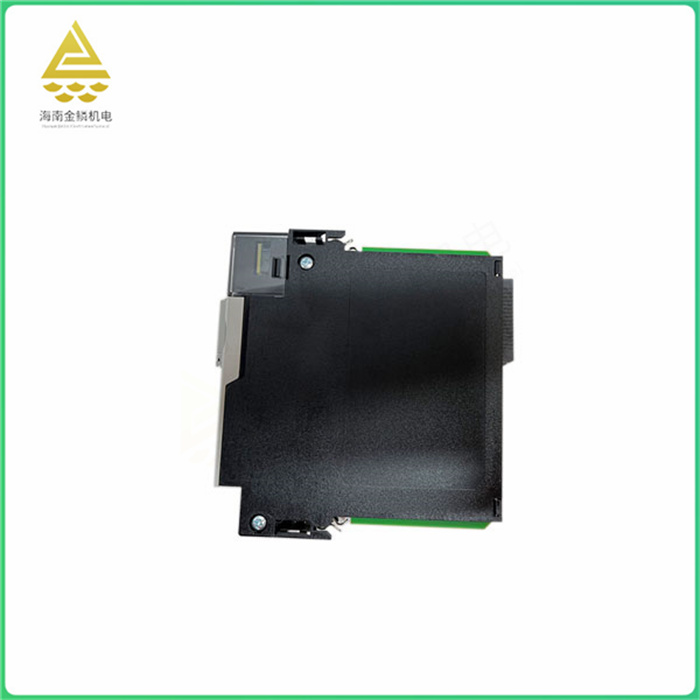
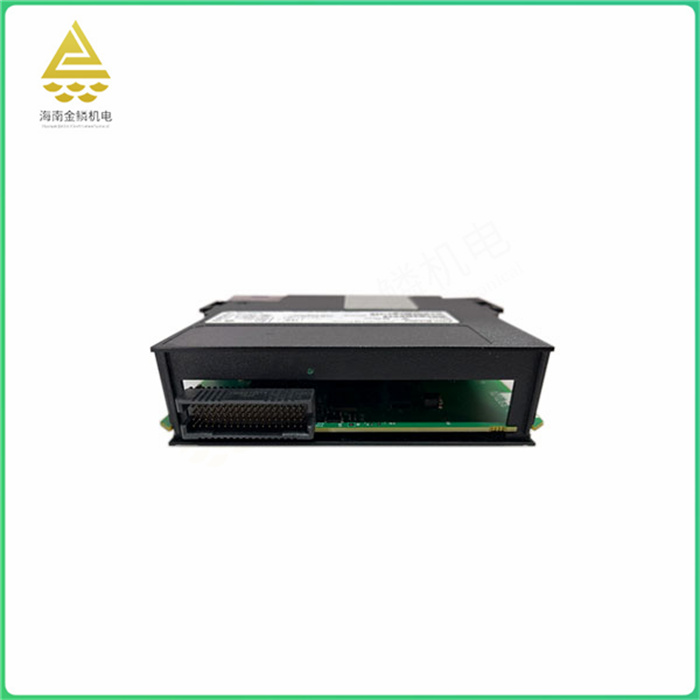
Optional Communication adapter: Ethernet /IP control Network Devices Network Data Highway Enhanced Remote I/O synchronization links to third-party processes and device networks
A Programmable Automation Controller (PAC) is an electronic system that operates numerically and is designed for use in industrial environments. It combines the reliability and ease of use of PLC with the powerful computing power and communication processing power of industrial computers. The PAC uses programmable memory to store instructions for performing operations such as logical operations, sequence control, timing, calculation and arithmetic operations, and to control various types of machinery or production processes through digital and analog inputs and outputs.
Key features of PAC include:
Strong anti-interference ability, high reliability.
The program is simple and easy to learn, and the design and debugging period of the system is short.
Simple installation and easy maintenance.
Modular structure, small size, light weight.
Rich I/O interface modules with strong expansion capability.
PAC has a wide range of applications, including sequence control, counting and timing control, position control, analog control, data processing, and communication networking.
The main features of a programmable automation controller (PAC) include:
Programmability: PACs can be programmed as needed to meet different control tasks.
Stability: PAC is designed with industrial-grade, highly reliable hardware and software to operate stably in harsh industrial environments.
Scalability: PAC can realize the expansion of system functions by adding I/O modules, communication modules, etc.
Flexibility: PAC can flexibly switch between different control modes, such as time control, count control, position control, etc.
High precision: PAC can accurately control the temperature, pressure, speed and other parameters in the industrial production process to improve the accuracy and efficiency of the production process.
Strong data processing ability: PAC can complete complex control tasks such as data acquisition, transmission and processing to achieve industrial automation control.
Strong communication capability: PAC can remotely control, monitor and exchange data through various communication protocols and network connections.
Strong adaptability: PAC can adapt to various forms of switching and analog input and output control, and can also work with other computer systems and control equipment to form a distributed control system to achieve group data transmission, matrix operations, closed-loop control, sorting and table looking up, function operations and fast interrupt functions.


