The advantages of digital output modules include:
High reliability: The transmission and processing of digital signals are relatively stable and not susceptible to interference.
Fast response: The transmission speed of digital signals is fast, and it can respond to control instructions in real time.
Easy to control: can be programmed to achieve complex control logic, flexible to adapt to different application requirements.
Good scalability: The number of output channels can be easily increased or reduced to adapt to changes in the system.
Strong versatility: Digital output modules usually follow standard interfaces and communication protocols, and are easily compatible with other devices.
High stability: the design and manufacturing technology of digital circuits is relatively mature, and the stability of modules is high.
The main disadvantages are:
Higher cost: Compared to some simple analog output modules, digital output modules may be more expensive.
Complex programming requirements: For some complex control logic, some programming knowledge and skills may be required.
Limited resolution: Digital output modules may have limited resolution and cannot provide continuous variation like analog signals.
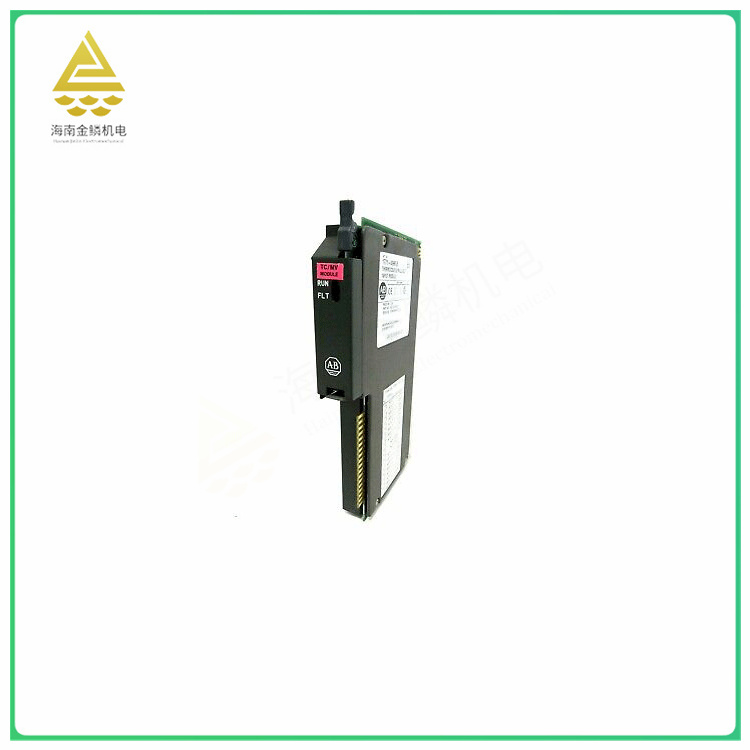
Digital output modules have a wide range of applications, and the following are some common application scenarios:
Industrial automation: used to control the start and stop of various industrial equipment, working state switching, etc.
Robot control: Controlling the movements of robots, performing specific tasks, etc.
Smart home: control the switch of household appliances, mode switching, etc.
Security system: control access control, alarm system, etc.
Medical equipment: Control the working mode and parameter setting of medical instruments.
Transportation: such as control lights, vehicle navigation system, etc.
Laboratory equipment: control the operation of experimental equipment, data acquisition, etc.
Communication system: control communication equipment connection, transmission, etc.
Entertainment facilities: such as controlling the operation of amusement facilities, lighting effects, etc.


