Based on this speculation, the following are the possible functions and features of the UMC100:
Features:
Motor control: UMC100 may be responsible for controlling motor start, stop, speed regulation and other functions.
Power management: May include functions such as power input, power distribution, and power protection.
Signal processing: The input signal from the sensor is processed and the control signal is output according to a preset logic or algorithm.
Communication interface: May support communication with other control systems or devices, such as via serial communication, Ethernet, or other communication protocols.
Protection function: May include overheat, overcurrent, undervoltage and other protection functions to protect the motor and control system.
Features:
Modular design: The UMC100 may have a modular design for easy installation, replacement, and maintenance.
High control accuracy: It may have a high-precision control algorithm, which can accurately control the speed, position and torque of the motor.
High reliability: High quality electronic components and advanced production processes may be used to ensure stable operation of equipment in harsh industrial environments.
Easy integration: A variety of communication interfaces and protocols may be available to facilitate integration with other control systems or devices.
Easy configuration: May provide a friendly user interface or programming interface for easy configuration and debugging.
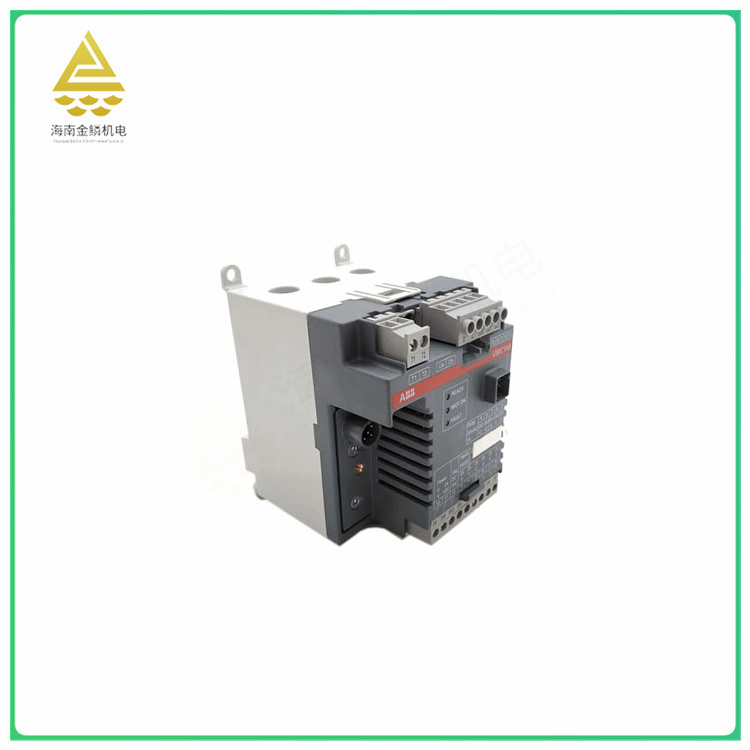
Advantages:
High integration: The UMC100 may integrate multiple functions, such as power management, signal processing, communication interfaces, etc., thus reducing the number and complexity of external components.
Stable control performance: The UMC100 may have stable control performance, providing accurate motor control to ensure the normal operation of the equipment and production efficiency.
Strong communication capability: The UMC100 may support a variety of communication protocols and interfaces to facilitate data transmission and communication with other control systems or devices.
Modular design: The UMC100 may adopt a modular design to facilitate installation, replacement, and maintenance, improving device reliability and flexibility.
User friendly: The UMC100 may provide an easy to use user interface or programming interface for easy configuration and debugging, reducing the difficulty of operation.
Cons:
Higher cost: UMC100 may use high-quality electronic components and advanced production processes, resulting in higher product costs and increasing the economic burden on users.
Reliance on a specific brand or system: UMC100 may be a component of a specific brand or system, and users may be subject to certain restrictions when selecting and using, which is not conducive to the upgrade and expansion of the device.
Requirements for the use of the environment: UMC100 may have certain requirements for environmental conditions, such as temperature, humidity, etc., need to operate in a specific environment.
Complex configuration and debugging: Although the UMC100 may provide a user-friendly interface and interface, in some cases the configuration and debugging process may still be relatively complex and require some expertise and experience.


