The 216BM61B is a differential expansion module that has been configured QTERM-II using an integrated package setup and configuration file download. It has a variety of functions, for example, you can plan the host control QTERM-II use software commands, including execution time and other detailed discussion and command summary. In addition, it has the ability to override QDATA profile Settings with permanent software commands to further adjust regional network traffic and the operating frequency of the grid. When the grid load is heavy, the frequency will be reduced, and the governor will adjust the generator to output more power; When the grid is light loaded, the grid frequency is higher than the nominal frequency, which is taken as an indication that the system in the automatic generation control grid requires the generator to reduce the amount of electricity generated. In addition, there is usually a central control,
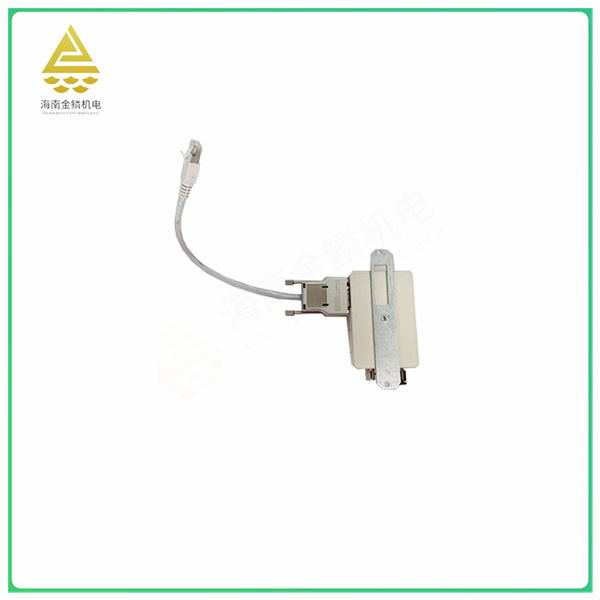
which can change the parameters of the AGC system on a time scale of one minute or more to further adjust the regional network traffic and the operating frequency of the grid. When adjacent power grids operating at different frequencies need to be interconnected, inverters are needed.
In summary, the 216BM61B differential expansion module has been configured with QTERM-II using an integrated package setup and configuration file download, and has a wide range of functions suitable for various industrial automation control systems.
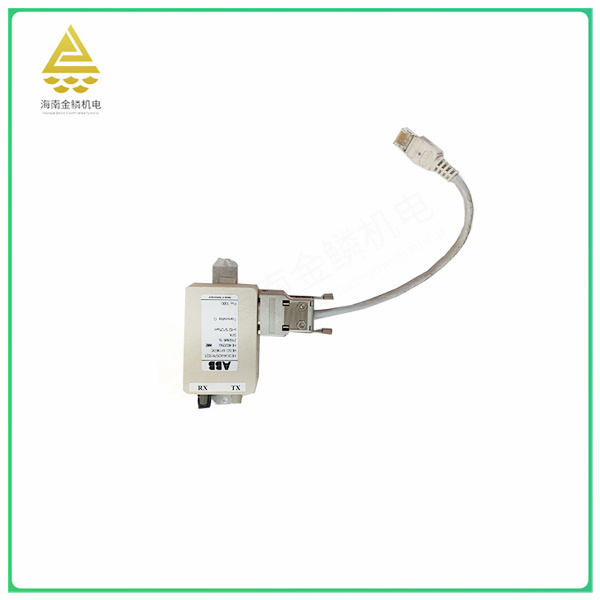
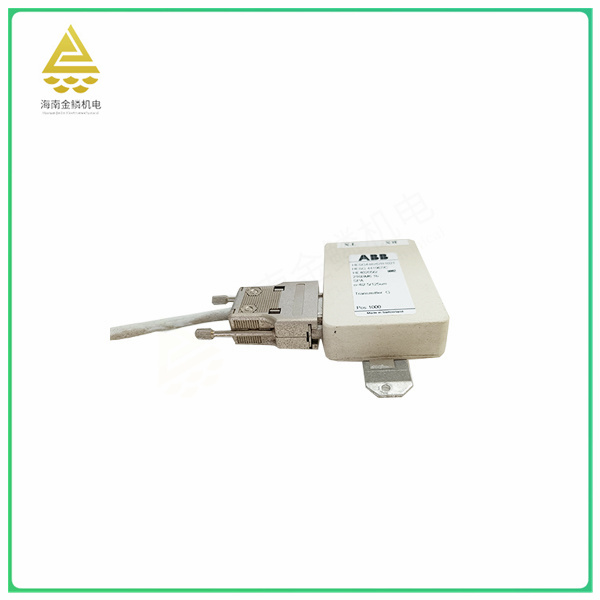
The 216BM61B is a differential expansion module with a variety of functions, such as the ability to plan the commands of the host control QTERM-II using the software, including the execution time and other detailed discussion and command summary. It can also override the functions set by the QDATA profile with permanent software commands to further adjust regional network traffic and the operating frequency of the grid.
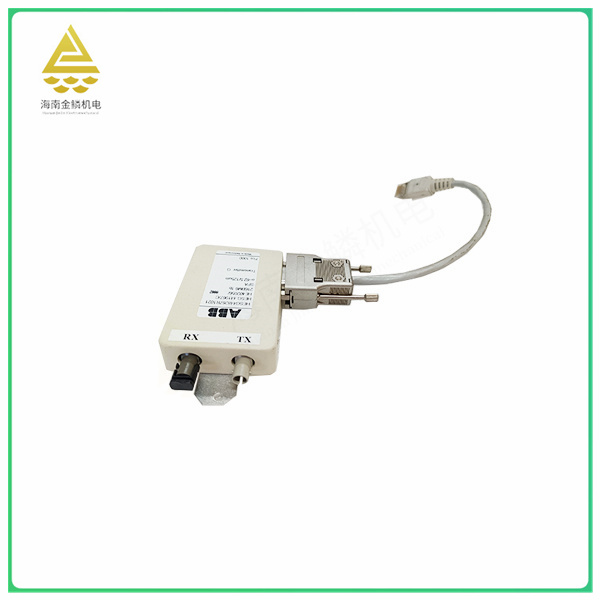
When the grid load is heavy, the frequency will be reduced, and the governor will adjust the generator to output more power; When the grid is light loaded, the grid frequency is higher than the nominal frequency, which is taken as an indication that the system in the automatic generation control grid requires the generator to reduce the amount of electricity generated. In addition, the 216BM61B differential expansion module usually has a central control, which can change the parameters of the AGC system on a time scale of one minute or more to further adjust the regional network traffic and the operating frequency of the grid. When adjacent power grids operating at different frequencies need to be interconnected, inverters are needed.
However, the 216BM61B differential expansion module also has some disadvantages. For example, it may have higher cost and complexity, requiring more maintenance and repair work. Moreover, since it is a complex electronic device, it requires specialized knowledge and skills to properly install, configure and use it.
Overall, the 216BM61B differential expansion module has a variety of functions and advantages, suitable for various industrial automation control systems. However, it is also necessary to consider its possible disadvantages and limitations.


