● Brand: Bently Nevada
● Product Number: 288055-01
● Product type: Standard transient data interface module with USB cable
● Made in the USA
The standard transient data interface module is a standardized interface module for transient data transmission. It may be applied to a variety of devices and systems to ensure efficient, stable and reliable transmission of transient data.
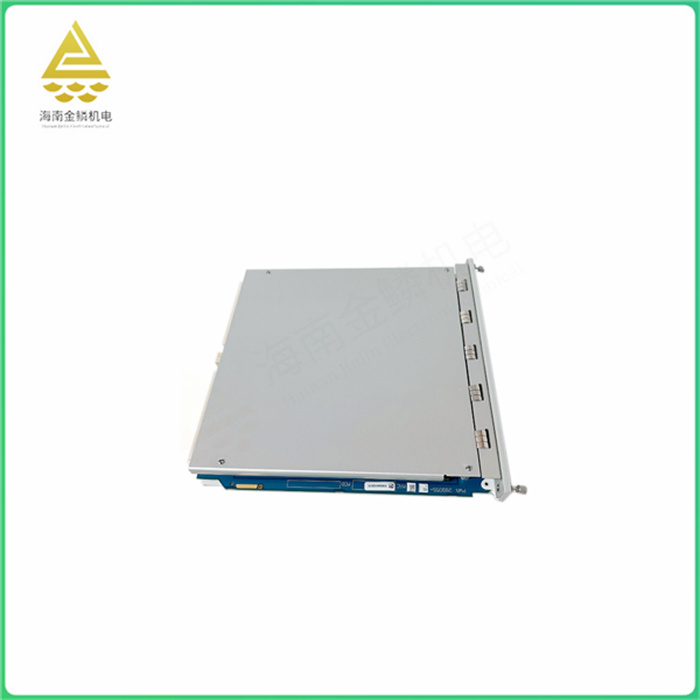
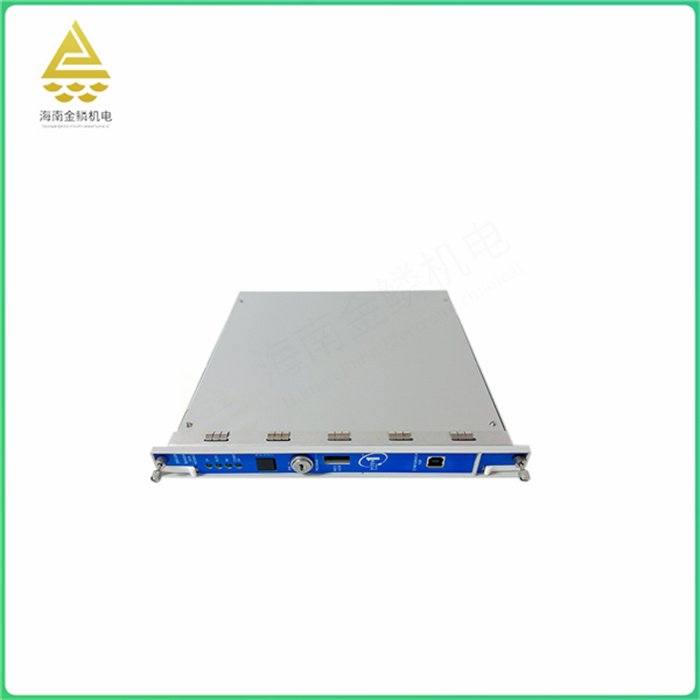
The 3500/22M frame is connected to the C module, which is the basic interface for connecting the 3500 frame. It supports Bentley Nevada proprietary protocols and is used as a configuration framework and to collect machine information. The RIM must be installed in a slot in the frame (next to the PSU). RIM provides a connection that supports current Bentley Nevada communications processors (External Transient Data Interface TDIX and External Dynamic Data Interface DDIX). RIM uses two types of I/O modules, the Framework Interface I/O module and the data management I/O module. These I/O modules allow you to connect the main computer and communication processor to the 3500 frame - which can only be installed behind the RIM(disk or rack frame) or on top of the RIM(wall-mounted frame) - and a frame to the C I/O module.
The functions of the transient data interface module mainly include:
High-speed sampling: This module usually has a high sampling rate and is able to capture and record short transient events for subsequent analysis.
Data storage: Modules may have data storage capabilities that can record transient data and transmit it to a monitoring system or data analysis tool for processing.
Data communication: Transient data interface I/O modules usually communicate data with other monitoring systems or control devices for real-time monitoring and remote data access.
Multi-channel input: A module may have multiple input channels that can simultaneously collect transient data for different locations or devices. Such transient data interface I/O modules are used in the industrial sector for fault diagnosis, equipment condition monitoring and preventive maintenance.
In addition, the transient data interface module may also have equipment health management, high reliability and stability, a variety of communication interfaces and other functions. These capabilities enable it to be widely used in industrial environments to connect various sensors and devices for real-time monitoring and data recording.
The data storage function of transient data interface module refers to the ability to store the collected transient data in the internal memory of the module. This storage capability usually includes the following aspects:
Data acquisition and storage: The transient data interface module can collect transient data from various sensors or other monitoring devices, such as vibration, pressure, temperature, etc., and store these data in the internal memory.
Data format conversion: The transient data interface module may have a data format conversion function, that is, to convert the original data collected to facilitate subsequent data processing and analysis.
Data compression: In order to save storage space and improve data processing efficiency, the transient data interface module may have a data compression function to compress the collected data and then store it.
Data protection: Transient data interface modules often have data protection features to ensure that the stored data is not lost or damaged due to unexpected circumstances. For example, some modules may employ battery backup or redundant storage technologies to protect stored data.
Data Export: Transient data interface modules typically support exporting stored data to an external device or computer for further data analysis and processing. The export mode may include a wired connection, wireless connection, or storage medium.
It should be noted that different transient data interface modules may have different storage functions and technical parameters, depending on the product model and practical application requirements. Therefore, when selecting and using the transient data interface module, it is necessary to evaluate and select according to the actual situation.


