ABB 3BHB003688R0101 is a bus interface module commonly used in industrial automation Q and control systems. Such modules may be produced by ABB (ABB Group, Installation automation company) or other manufacturers to connect and communicate different devices or subsystems. Bus interface modules typically have the following functions:
1. Communication interface: It provides an interface for communication and data exchange between different devices. This can include communication protocols and standards such as Ethernet, serial communication, Fieldbus, etc.
2. Data transmission: The bus interface module is responsible for transmitting data from one device to another to ensure that all parts can work together.
3. Protocol conversion: It may support the conversion between different communication protocols, so that devices can communicate with each other, even if they use different communication standards.
4. Power management: The bus interface module usually requires a power supply to ensure that the connected device is properly powered.
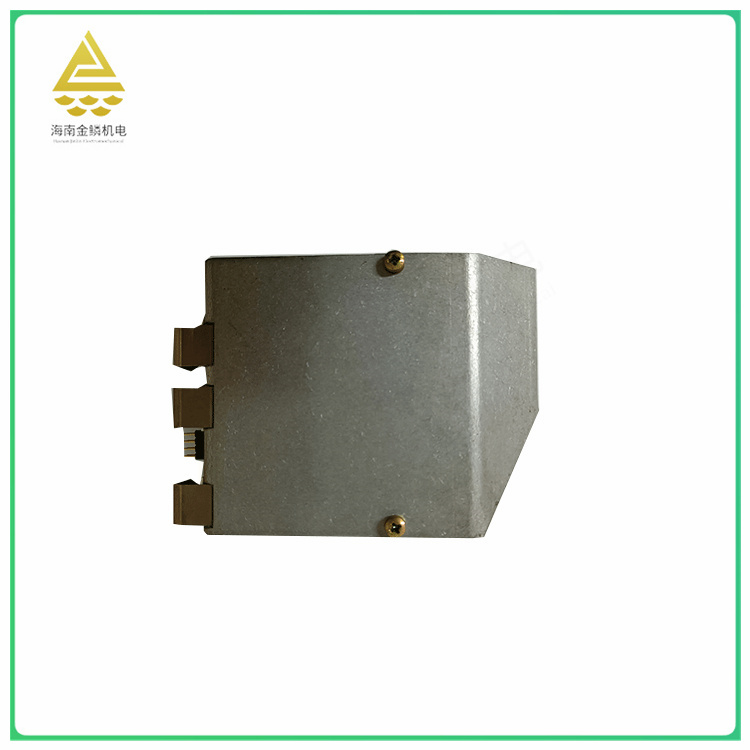
It has the following functions and features:
High performance: The module adopts high-speed processor and optimized algorithm, which can quickly complete various control and data processing tasks and improve the overall performance of the system.
A variety of communication interfaces: support a variety of communication protocols and interfaces, such as Profibus, Modbus, CAN, Ethernet/IP, etc., can seamlessly connect and communicate with other devices and systems.
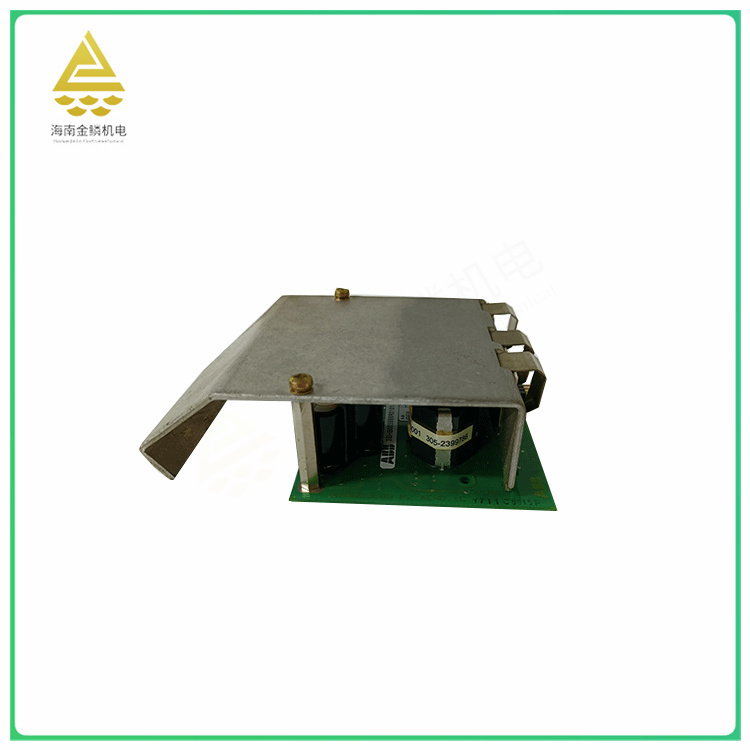
Real-time: The module has real-time processing capability to ensure that the input signal and data transmission can be quickly responded to in various application scenarios, improving the real-time performance of the system.
Stability: After strict quality control and testing, the module has high stability and reliability, and can operate stably in harsh industrial environments.
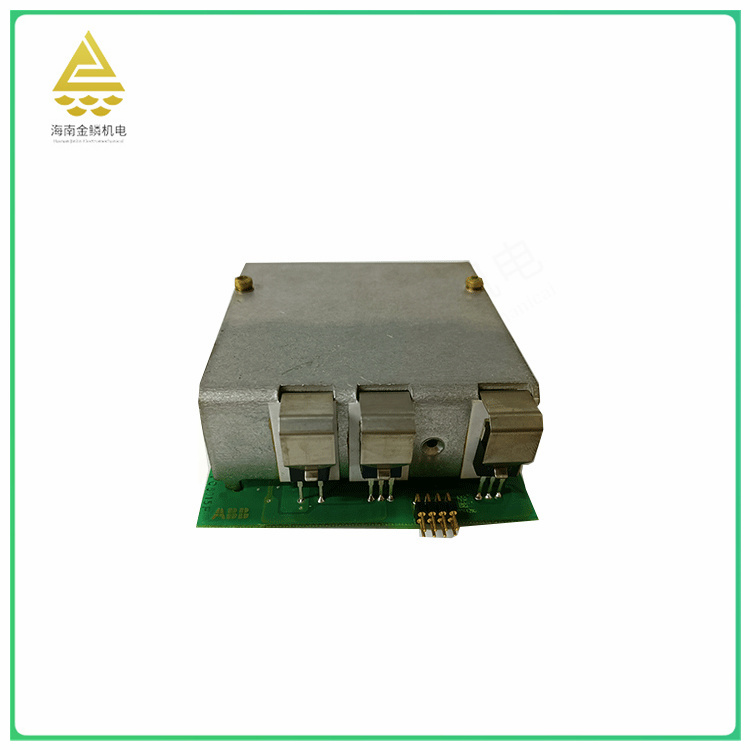
Easy configuration and maintenance: Provides a friendly user interface and tools to facilitate configuration and debugging. At the same time, it also has a self-diagnosis function, which can quickly detect and locate faults, convenient for users to maintain and repair.
Security: In an industrial environment requiring a high degree of security and reliability, the module may have data verification, error detection and fault tolerance functions to ensure the accuracy of data transmission and system stability.
Industrial grade design: The module is usually designed to be industrial grade, with characteristics such as vibration resistance, electromagnetic interference resistance and durability to meet the requirements of industrial environments.


