The product is a high performance digital pressure gauge with the following parameters and specifications:
● Measuring range: 0-100 PSI
● Accuracy :+0.25%
● Resolution: 0.01 PSI
● Operating temperature range: -10°C to 50°C
● Power supply: 9V battery
The product is suitable for the following areas:
● Industrial Automation
● Petrochemical Industry
● Automobile Manufacturing
● Aerospace
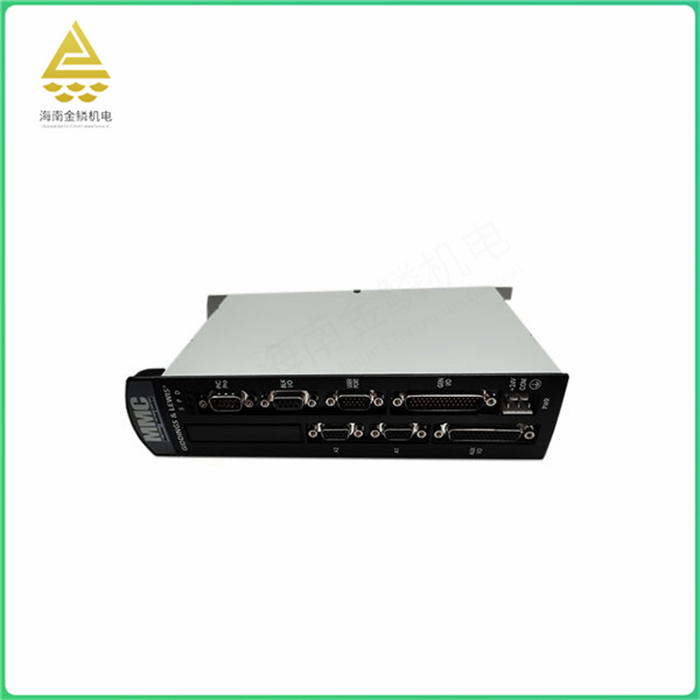
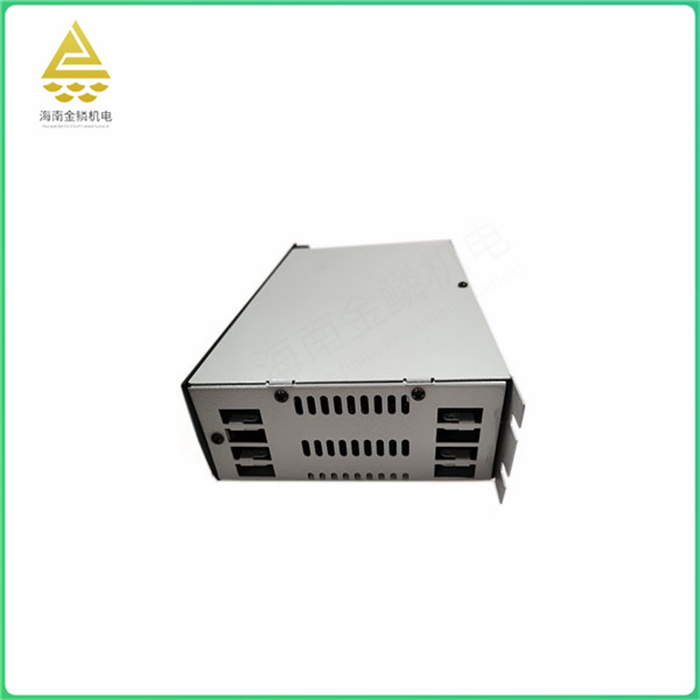
Servo driver, also known as "servo controller" and "servo amplifier", is a controller used to control servo motors. Its role is similar to that of the frequency converter on the ordinary AC motor, which is a part of the servo system and is mainly used in high-precision positioning systems. Generally, the servo motor is controlled through three ways of position, speed and torque to achieve high-precision transmission system positioning, which is a high-end product of transmission technology.
Servo drivers are electronic devices made of circuit boards, microchips, wires and connectors. They are attached to the motor to control its rotation. They can make the motor speed up, slow down, stop, and even go backwards at any time. This is achieved by controlling and directing the current of the motor wires. Without a servo drive, the motor may spin uncontrollably or not at all.
503-26606-21 servo drive is divided into position ring, speed ring and current ring according to its control object from outside to inside, and the corresponding servo drive can work in position control mode, speed control mode and torque control mode.
When the servo drive works in any mode, its corresponding mode can be set by three ways: 1. 2. Internal setting of parameters; 3, the internal given application of communication setting and parameter setting is relatively small, and it is limited graded adjustment.
503-26606-21 The advantage of using analog quantity given is that the response is fast, applied to many high-precision and high-response occasions, the disadvantage is that there is zero drift, which brings difficulties to debugging, European and American servo systems use this way. Pulse control is compatible with common signal modes: CW/CCW (positive and negative pulse), pulse/direction, and A/B trust signal. The disadvantage is that the response is slow, and Japanese and domestic servos use this way.


