Brand :SST
P/ n: 5136-DNP-PCI
Directory description :5136-DNP-PCI
Country of Origin: Sweden
An interface module is a hardware module used to implement data transmission and communication between different devices or systems. It can be converted between different interface protocols, so that different devices can exchange data smoothly.
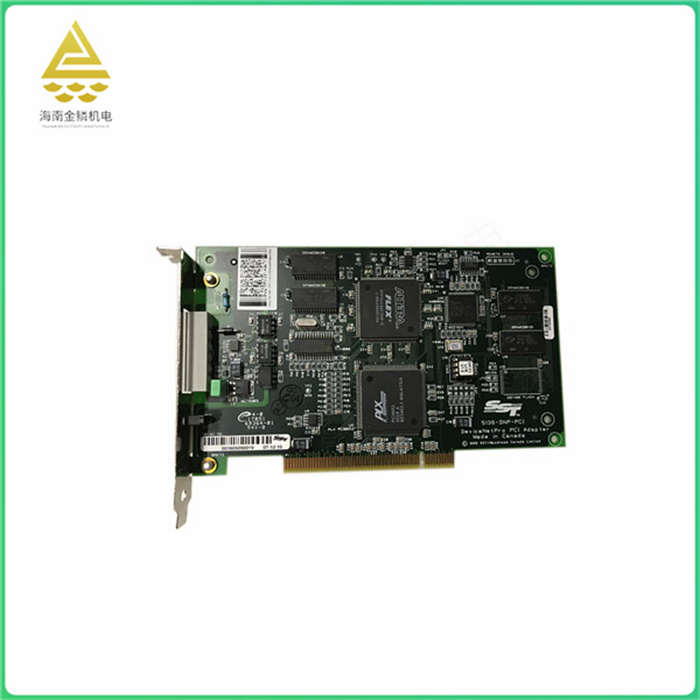
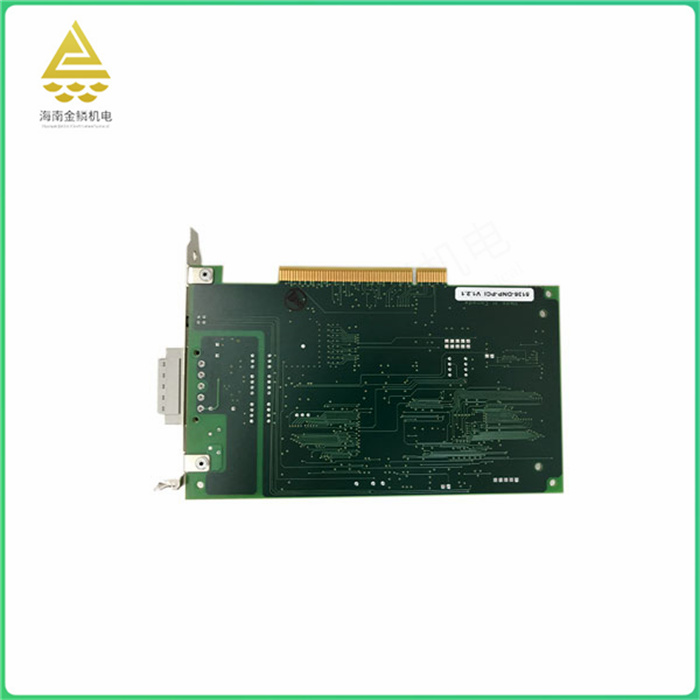
Interface modules play an important role in industrial automation and other fields. It can connect various sensors, actuators, controllers and other devices to achieve data acquisition, transmission and control. Through interface modules, the communication between different devices can become more efficient, stable and reliable.
Interface modules usually have standardized interface specifications and communication protocols to ensure compatibility between different devices. It may include serial interface, parallel interface, Ethernet interface, USB interface, etc., depending on the application requirements and device characteristics.
In summary, interface module is a key component to realize data transmission and communication between different devices, which can bridge the differences between different interfaces and promote collaborative work and data sharing between devices.
In the field of industrial automation, interface modules are widely used, mainly including the following aspects:
Data acquisition and monitoring: Interface modules can be connected to various sensors and actuators to achieve data acquisition and monitoring. By connecting the sensor to the interface module, the temperature, pressure, flow and other parameters can be monitored in real time, and the data is transmitted to the control system for processing and analysis.
Equipment control: The interface module can be used with the controller, PLC and other equipment to achieve automatic control of the equipment. By writing the control program, the interface module can receive the instructions from the control system and send them to the actuator or sensor and other devices to realize the automatic operation of the equipment.
Data processing and analysis: The interface module can be connected to a computer or other data processing equipment to process and analyze the collected data. By writing the data processing program, we can realize the functions of filtering, converting and storing the data, and provide scientific basis for decision-making.
Remote monitoring and debugging: Interface modules can be connected to the Internet and other network devices to achieve remote monitoring and debugging. Through the remote access interface module, you can know the operating status and parameters of the device anytime and anywhere, and perform debugging and maintenance.
Fault diagnosis and early warning: The interface module can connect the fault diagnosis sensor and early warning system to realize the monitoring and early warning of equipment faults. When a device is faulty, the interface module can transmit the fault information to the control system in time for maintenance and replacement.
In summary, the interface module is widely used in the field of industrial automation, which can realize the functions of data acquisition, monitoring, control, processing and analysis, and provide important technical support for improving production efficiency, reducing costs, and ensuring production safety.


