WOODWARD 5466-316 is a speed control module. In the industry, 5466-316I Human Machine Interface, referred to as HMI, also known as the contact screen, is an intelligent operation control display device. The I industry human-machine interface is centered on a specially planned 32-bit RISC CPU chip of the computer system, and is covered with a clear resistance network contact screen on the STN, TFT LCD display screen or EL electroluminescent display screen. WOODWARD 5466-316 is a speed control module that can be used in stand-alone turbine control systems. In addition to the intelligent operation of the control display device, the module has multiple input and output ports that can be used to control equipment in the steam control market.
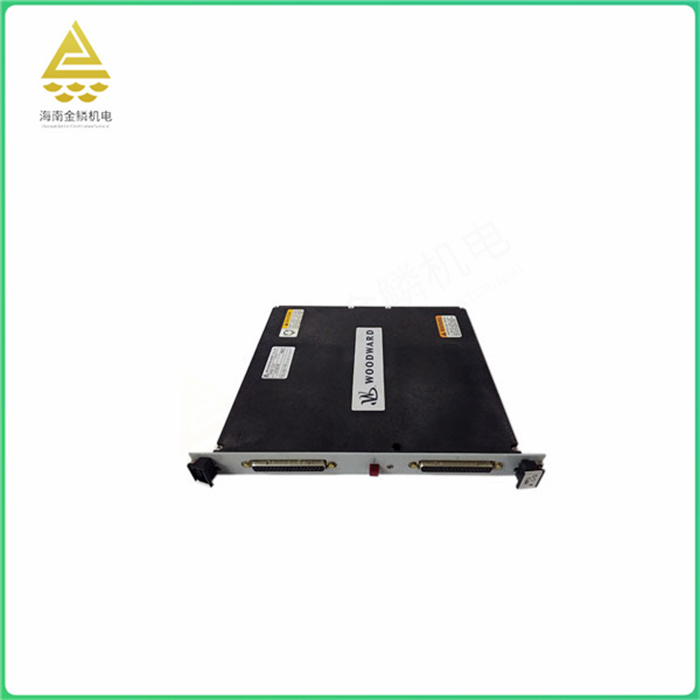
Woodward 5466-316 is an I/O module terminal commonly used to connect and manage I/O signals for monitoring and control systems. Here are some common information about this IO module terminal:
1. Wiring function: The main function of the 5466-316 I/O module terminal is to provide an interface to connect and manage I/O signals. They are commonly used to connect sensors, actuators, switches, buttons and other devices in order to direct signals from these devices into monitoring and control systems.
2. Field of application: This type of terminal is widely used in a variety of industrial automation and control applications, including manufacturing, chemical aid, water treatment, oil and gas, building automation and other fields. They are used to connect various sensors and actuators to monitor and control industrial processes.
3. Wiring type: 5466-316 I/O module wiring terminals may support various wiring types, including screw wiring, crimp wiring, socket wiring, etc., depending on the design and use of the module.
4. Number of wiring: These terminals usually have multiple wiring points, allowing multiple signal lines or devices to be connected. The number and type of wiring usually depends on the specific model and application requirements.
5. Connection method: - Some modules support rail mounting and can be easily installed on the electrical control cabinet or panel for clean and maintainable electrical wiring.
6. Manufacturer: Woodward is a global supplier of control systems and energy solutions, offering a wide range of automation equipment and control system components, including I/O module terminals.
I/O module terminal is a type of terminal used to connect and transmit signals, often used in the field of industrial automation. They usually have different shapes and specifications to meet different application needs.
Some I/O module terminals have terminals with light guide posts, which can be used to collect and transmit signals, while also guiding the transmission of optical signals. In addition, some I/O module terminals also have optical terminals, power system acquisition terminals, IO controller terminals and other functions, which can be used for monitoring and control of power systems.
When using I/O module terminals, note the following:
Confirm the specifications and models of the terminals to ensure that they meet the requirements of the application.
When connecting wiring terminals, ensure that the connection is secure and reliable to avoid signal transmission interruption or instability.
When transmitting the signal, it is necessary to select the appropriate transmission cable and connector to ensure the stable transmission of the signal.
In the process of use, attention should be paid to prevent the terminal from mechanical damage or electrical failure, so as not to affect the transmission of signals and the normal operation of the system.
In short, I/O module terminals are an integral part of the field of industrial automation, they can be used to collect and transmit signals, but also can be used for power system monitoring and control. In use, it is necessary to choose the appropriate specifications and models, and ensure that the connection is firm and reliable to ensure the normal operation of the system.
I/O module terminals have the following advantages in the field of industrial automation:
High reliability: I/O module terminals use high-quality materials and manufacturing processes to ensure long-term stable service life and reliability.
Various specifications and types: I/O block terminals have various specifications and types to meet the requirements of different application scenarios, including different shapes, sizes, and colors.
Quick connection and disconnection: The I/O module terminal adopts the fast connection and disconnection design, making the wiring and disconnection more convenient and quick, which is conducive to improving work efficiency.
Applicable to a variety of signal types: I/O module terminals can be applied to a variety of signal types, such as digital signals, analog signals, optical signals, etc., can meet the needs of different systems for signal acquisition and transmission.
Simplified wiring design: The I/O module terminal adopts standardized interface and connection mode, which can simplify the wiring design, reduce costs and improve efficiency.
Adapt to harsh environment: I/O module terminals are usually sealed design, can adapt to harsh environmental conditions, such as high temperature, low temperature, humidity, dust, etc.
Improve system security: By using I/O module terminals, signal isolation and protection can be achieved to improve system security and stability.
In short, I/O module terminals have the advantages of high reliability, a variety of specifications and types, fast connection and disconnection, suitable for a variety of signal types, simplified wiring design, adapt to harsh environments and improve system safety, so it is widely used in the field of industrial automation.


