A Programmable Logic Controller (PLC) is a digital operational electronic system designed specifically for use in industrial environments. It uses a programmable memory in which the instructions for performing operations such as logical operations, sequence control, timing, counting and arithmetic operations are stored, and various types of mechanical equipment or production processes are controlled through digital or analog input and output.
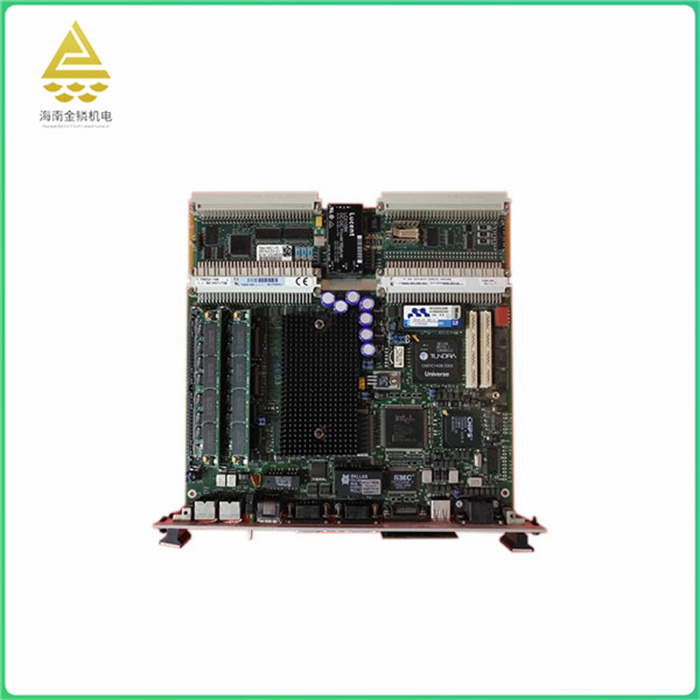
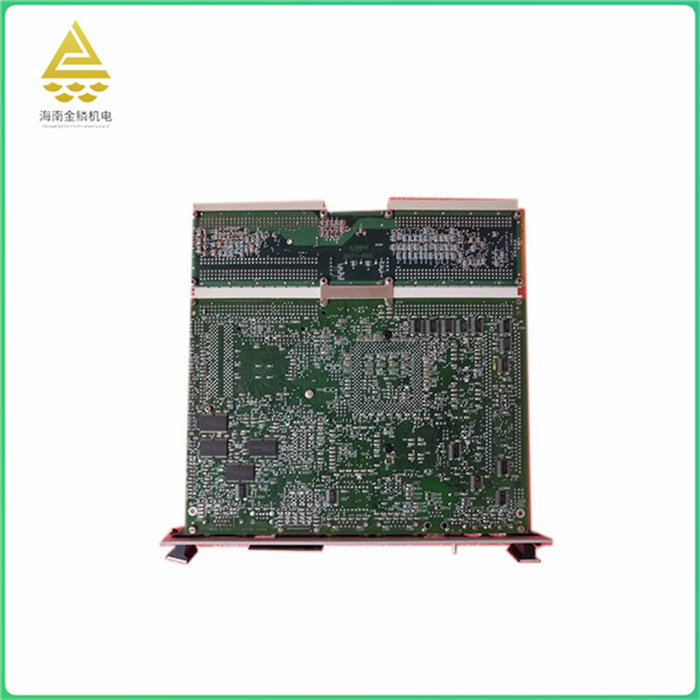
The components of PLC include CPU (central processing unit), memory, I/O unit (input/output unit), programmer and power supply. The CPU is equivalent to the human brain, the memory is to store files, the I/O unit is used for input and output, the programmer is used for the preparation of the user program, debugging inspection and monitoring, and the power supply is the energy that provides the PLC.
A programmable controller (PLC) is a digital operational electronic system designed specifically for use in industrial environments. It uses a programmable memory in which the instructions for performing operations such as logical operations, sequence control, timing, counting and arithmetic operations are stored, and various types of mechanical equipment or production processes are controlled through digital or analog input and output.
The functions of PLC include but are not limited to the following aspects:
Logic control: PLC can carry out logical operations, such as AND, OR, NOT and other logical operations, so as to achieve logic control.
Timing control: PLC has a timer function, which can be controlled according to the set time interval or time point.
Counting control: PLC can count the input signal, and output the corresponding signal when the value reaches the set value.
Sequence control: PLC can be controlled in a preset order, such as sequential start, sequential stop and other operations.
Motion control: PLC can control mechanical motion, such as controlling the speed and position of the motor.
Data processing: PLC can carry out data processing, such as arithmetic operations, mathematical function operations, etc.
Communication function: PLC can communicate and exchange data with external devices, such as communicating with other PLCS, computers and other devices.
Programmable controller (PLC) plays an important role in the field of industrial control. The following are the main roles of PLC:
1. Automation control: PLC can realize automatic control, and automatically complete a series of control operations by programming control logic. This makes the industrial production process more efficient and accurate.
2. Monitoring and alarm: PLC can monitor the operating status of industrial equipment in real time, and alarm in time when there is an anomaly, reminding the staff to deal with it, so as to ensure the safe operation of the equipment.
3. Data processing and analysis: PLC can collect, process and analyze various data during the operation of industrial equipment to provide data support for optimizing the production process and improving product quality.
4. Networking communication: PLC has networking communication function, which can realize data exchange and information sharing with other equipment and systems, and further improve the collaborative efficiency of industrial production.
5. Improve production efficiency: Through the control of PLC, the operation of industrial equipment can be more accurate and fast, thereby improving production efficiency and reducing production costs.
6. Simplify circuit design: The use of PLC can simplify circuit design, reduce the volume and weight of the electrical control system, and make it easier to install and maintain.
In general, PLC plays a vital role in modern industrial production, it can not only achieve automatic control, improve production efficiency, but also ensure the safe operation of equipment, and provide strong support for the high-quality development of industrial production.


