Brand: EMERSON
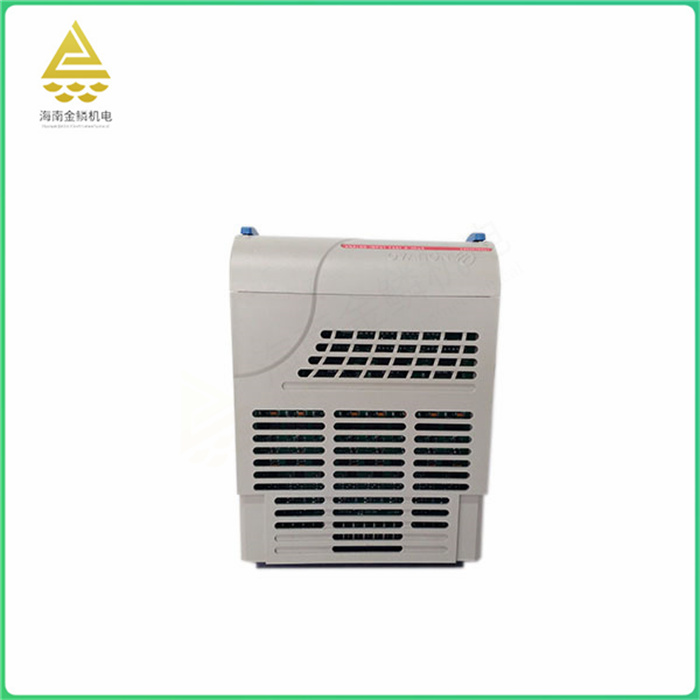
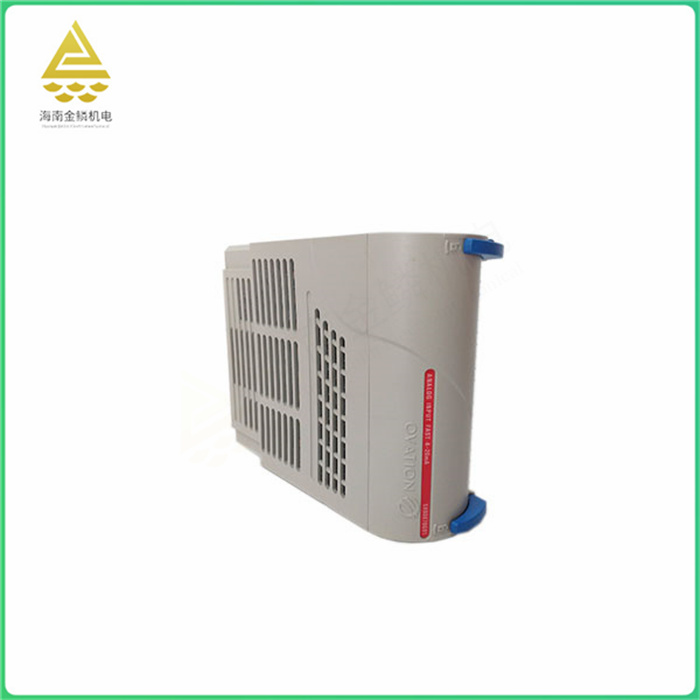
Product name: Fieldbus interface module
Origin: USA
Available for sale: the whole country, abroad
Product features: first-hand supply, according to the model supply
Ovation controller capabilities can be extended with additional software licenses for analog, virtual or advanced control. An emulator controller is a standard controller that uses simulated I/O(rather than an actual hardware I/O system) to connect a control scheme to a process model or simulation.
The simulator controller can be used for basic acceptance test process models or high-fidelity addition models. Advanced controllers perform licensing algorithms with advanced features such as automatic regression, dynamic matrices, devices, soot blowing, fuzzy logic, sorting, programmable blocks, and temperature curves.
A virtual controller is a software-licensed feature that recreates the Ovation hardware controller on a Windows-based platform using a real-time operating system. It is primarily used in Ovation simulation solutions with non-redundant virtual controllers to reduce hardware footprint. In addition to hardware I/O support, virtual controllers have most of the interface attributes of standard, analog, or advanced controllers.
Fieldbus interface module is a hardware device that connects fieldbus network and device, which is used for data communication and control. Different fieldbus interface modules are suitable for different fieldbus types and device requirements.
In some systems, the fieldbus interface module may contain several different interfaces to accommodate different fieldbus protocols and device requirements. For example, some modules may contain interfaces for Modbus, Profinet, EtherCAT, etc.
In addition, the fieldbus interface module may also have some additional functions, such as data conversion, signal conditioning, lightning protection, etc., to improve the reliability and stability of the system.
In general, the fieldbus interface module is one of the key components to realize the data communication and control between the field equipment and the upper control network.


