1756-TBNH patch board or RTB module PLC is mainly used for logic control of switching quantity
The Allen-Bradley 1756-TBNH is a detachable patch board (RTB) for the 1756 /O module. It is an I/O module attachment that must be ordered separately. The 1756-TBNH provides flexibility in interconnecting 1756 /O modules and factory wiring. It plugs into the face of the /O module.
The 1756-TBNH detachable patch panel is a 20-bit NEMA screw clamp. It has 1.36 nm of screw torque and 8 mm (5/16 in.) Maximum screwdriver width. It measures 5.51 x4.41 x5.71. It weighs 0.3 pounds. For cabling, use solid or stranded copper wire of 0.33-2.1 A-MMA ^ 2(22-14 AWG), rated at 90°c(194°f) or higher, with a diameter of 1.2 mm (3/64 in.) Standard maximum insulation must be used. Do not connect more than two wires to any single terminal.
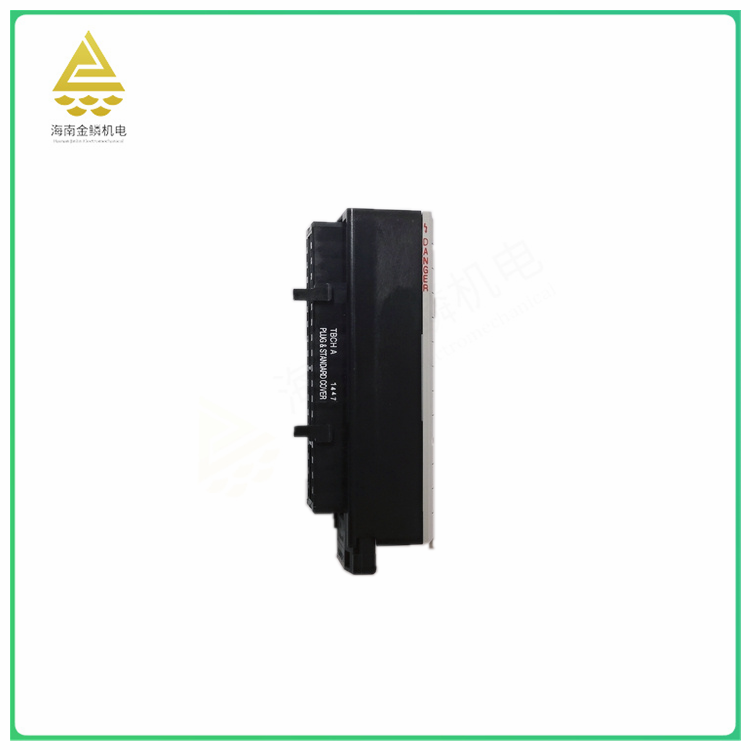
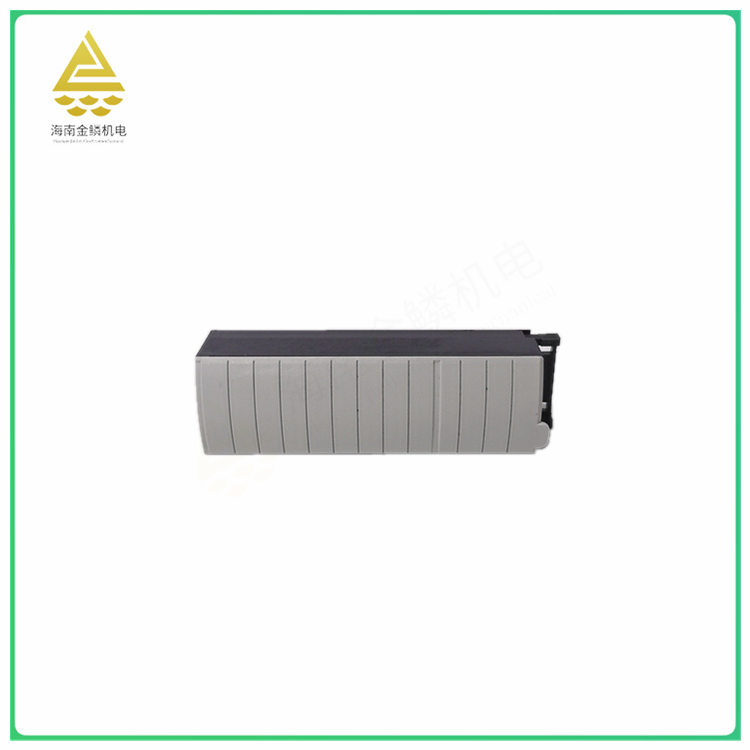
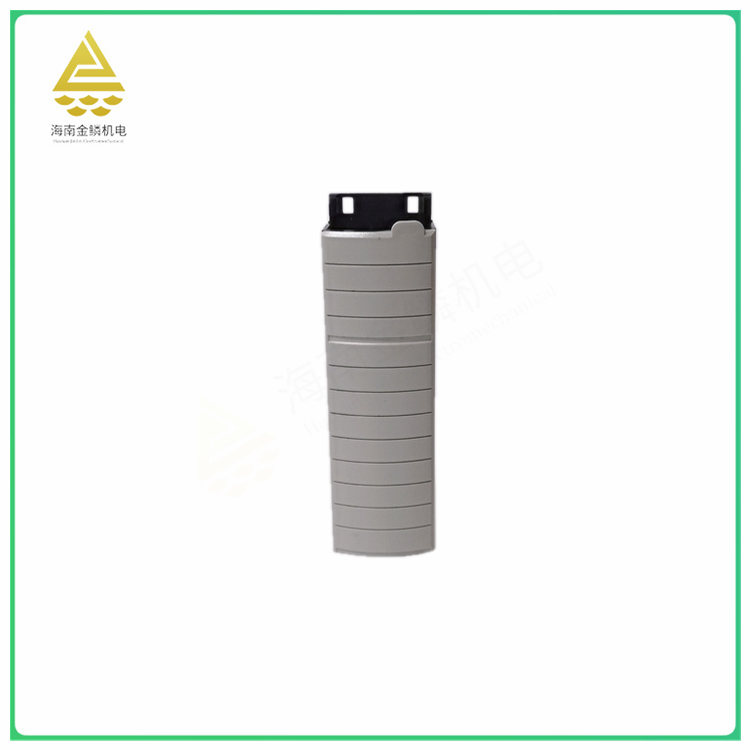
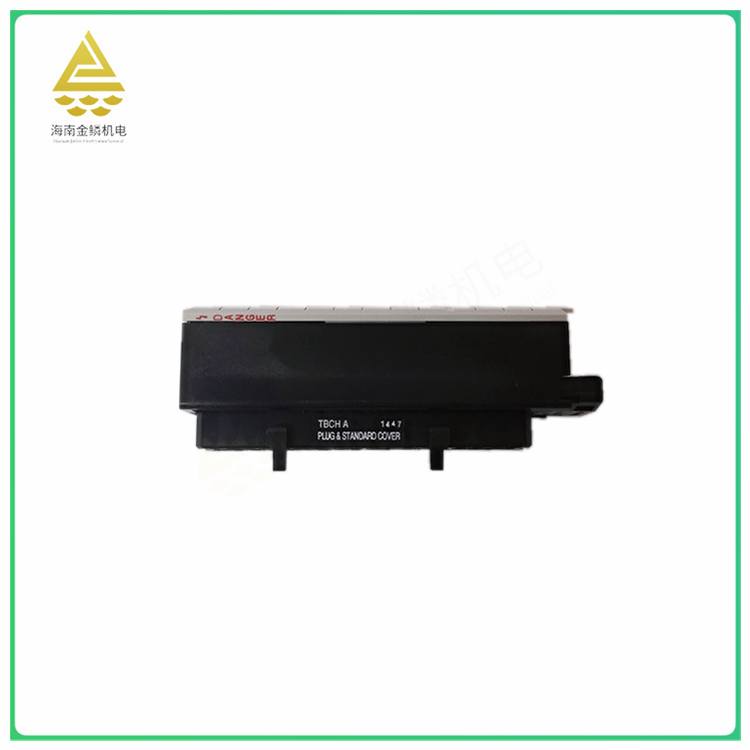
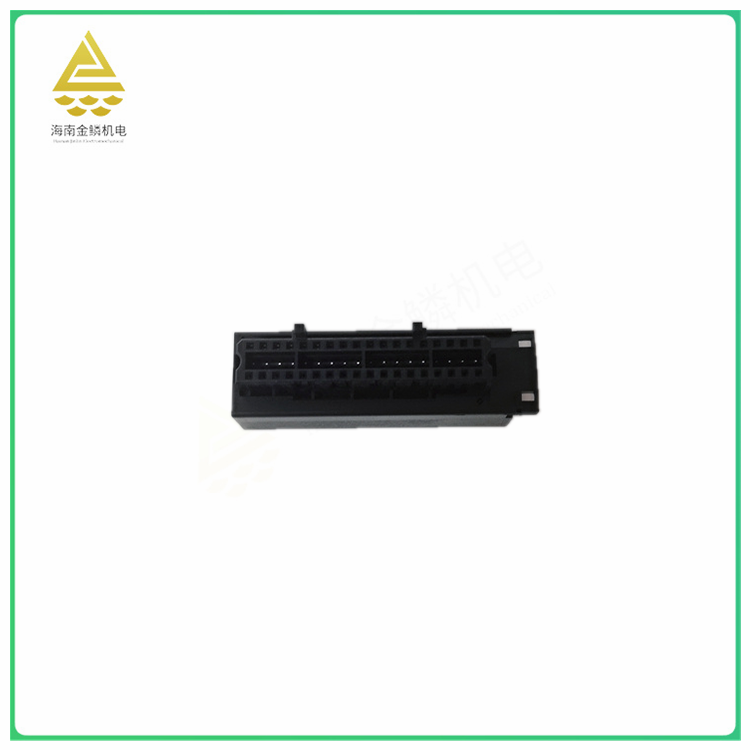
A-b --1756-TBNH-A is A detachable patch board (RTB) for the 17561/O module from Allen-Bradley. It is an I/O module accessory that must be ordered separately.
The RTB has the advantages of high reliability, high stability and strong anti-interference ability, and is suitable for various complex industrial environments. It uses digital signal interface, can receive and send digital signals, to achieve switching control, data acquisition and other functions. At the same time, it also supports a variety of communication protocols and interfaces, such as RS232, RS485, Ethernet, etc., can easily connect and communicate with various devices.
In the field of industrial automation, A-B-1756-TBNH-A RTB is often used in A variety of digital signal transmission and control occasions requiring high reliability and high stability, such as production line control, process control, energy management, robot control, etc. It can help users achieve efficient and reliable digital signal transmission and control, improve production efficiency and product quality.
Note that the A-B-1756-TBNH-A RTB must be configured and selected based on specific application scenarios and requirements to ensure that it can meet system requirements and ensure system stability and reliability. At the same time, for systems that need to connect multiple devices or actuators, an appropriate expansion module or bus system needs to be selected to achieve reliable communication and control.


