A2H254-16 PO973BKExtreme Networks A4 is a highly reliable fast Ethernet edge switch that delivers scalable line-speed performance to support the bandwidth-intensive and latency-intensive requirements of today's demanding applications. The A2H254-16 P973BK A4 also provides multi-layer packet classification and priority queuing for differentiated services. In addition to the 17.6 Gbps switch capacity, the A4 offers up to 48 10/100 Ethernet ports, as well as four Gigabit Ethernet uplink ports.
A2H254-16 P0973BK takes advantage of the stacking capabilities of A4 so that up to 8 A4s can be interconnected in a single stack, A2H254-16 P0973BK to create a virtual switch offering 140.8 Gbps capacity and up to 384 10/100 Ethernet ports to suck up 16 Gigabit Ethernet uplink ports.
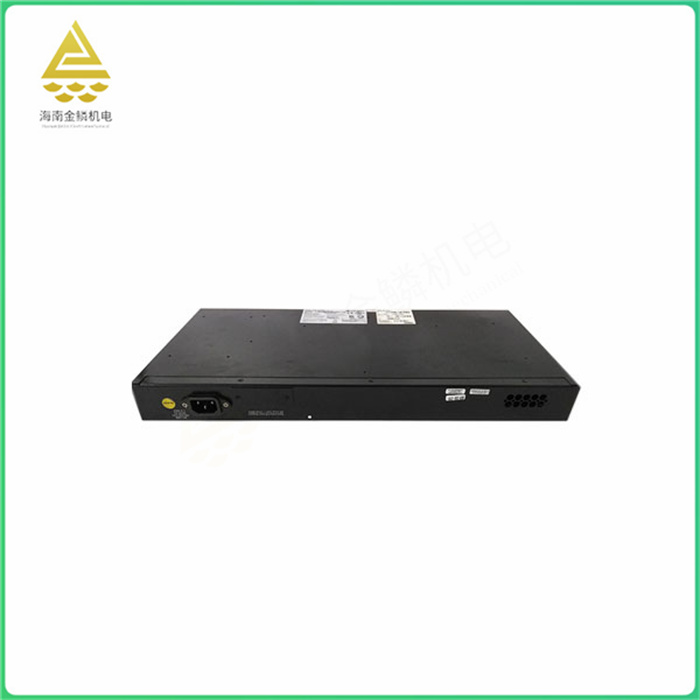
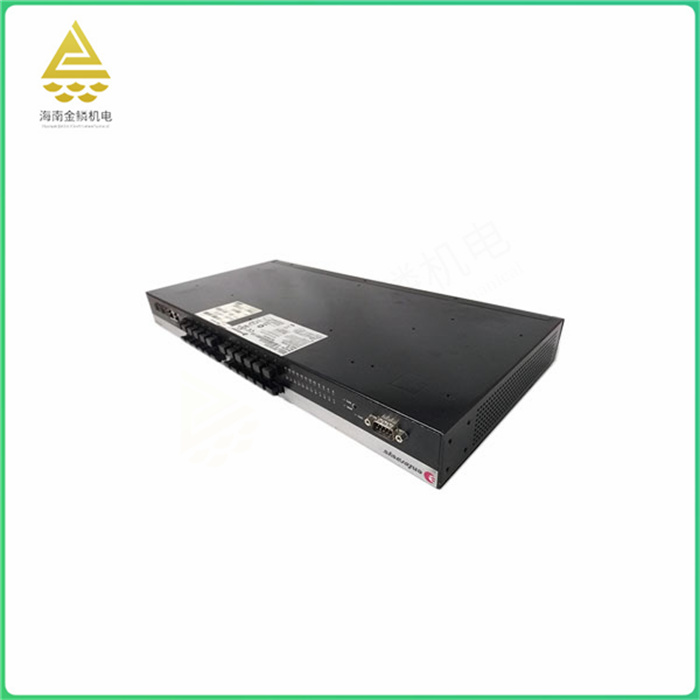
A fast Ethernet edge switch is a device used for network connectivity that provides high data transfer rates and reliable network connections. Such switches are commonly used to connect multiple network devices together for data transfer and communication.
The main features of fast Ethernet edge switches include:
High transfer rates: Fast Ethernet edge switches can provide data transfer rates of up to 100Mbps, so that data can be transferred and processed faster.
High reliability: This type of switch usually uses reliable technology and design to ensure the stability and uninterrupted network connection. For example, they may have redundant designs and fault-tolerant mechanisms to avoid single points of failure and network outages.
Strong scalability: Fast Ethernet edge switches can be easily expanded and upgraded to meet growing network demands. They can support multiple network interfaces and protocols to adapt to different network environments and devices.
Good security: This kind of switch usually has strong security protection features to prevent unauthorized access and data leakage. For example, they may support security features such as encryption technologies and access control lists.
In short, the fast Ethernet edge switch is a kind of network connection device with high performance, high reliability, and strong scalability. It is widely used in enterprise networks, data centers, and campus networks.
Fast Ethernet edge switches achieve high transmission rates mainly by adopting fast Ethernet technology. Fast Ethernet technology is an Ethernet standard that uses twisted-pair or fiber connections that can provide network connections at speeds up to 100 Mbps.
In particular, a fast Ethernet edge switch typically has multiple ports inside it, each of which can connect to a network device. When data needs to be transferred from one port to another, the switch processes and forwards the data quickly. The design of such switches usually takes into account both performance and reliability, such as efficient forwarding mechanism, cache design and optimization, to improve the data transmission rate and reduce network latency.
In addition, some high-end fast Ethernet edge switches also have higher performance and richer features, such as support for 10 Gigabit Ethernet, network management functions, and support for virtual local area networks. These functions can further enhance the performance and flexibility of the switch to meet the network requirements in different scenarios.
In short, fast Ethernet edge switches achieve high transmission rates and reliable network connections by adopting fast Ethernet technology and some other high-performance designs and features.
In addition to the adoption of fast Ethernet technology, there are other factors that can affect the transfer rate of an Ethernet edge switch:
Network topology: The transmission rate of an Ethernet edge switch is affected by the network topology to which it is connected. For example, if you use a star topology, each node needs to be forwarded through a switch, which can lead to less efficient transmission. If the tree or network topology is used, the data can be directly transmitted from the source node to the target node, thereby reducing the number of forwarding and improving the transmission efficiency.
Network load: The network load also affects the transmission rate of the Ethernet edge switch. When the network load is light, the transfer rate of the switch is usually higher. When the network is heavily loaded, data transmission can be affected by congestion and latency, which reduces the transmission rate.
Network device performance: Several factors related to network device performance can also affect the transmission rate of Ethernet edge switches. For example, using a low-performance network device may result in slower data transfer speeds or increased network latency. If you use high-performance network equipment, you can provide faster transmission speed and lower latency.
Network protocol: The transmission rate of an Ethernet edge switch is also affected by the network protocol used. Different network protocols may have different data transmission speeds and efficiencies. For example, some protocols may split or reassemble data packets, which may result in slower transfer speeds. Other protocols may offer faster transfer speeds and greater efficiency.
In summary, the transmission rate of an Ethernet edge switch is affected by many factors, including the fast Ethernet technology used, the network topology, the network load, the performance of the network equipment, and the network protocol. In order to improve the transmission rate and performance, it is necessary to consider these factors and carry out proper configuration and management.


