The CACR-SR15BB1BM is a servo drive model from Yaskawa Electric. A servo driver is an electronic device used to control a servo motor, which receives instructions from the controller and drives the servo motor according to these instructions to achieve precise speed, position and torque control.
Regarding the specific features and advantages of CACR-SR15BB1BM, we can speculate based on the usual characteristics of Yaskawa servo drivers:
Benefits and Features:
High precision control: The servo drive provides high precision control to ensure the precise movement of the servo motor according to the instructions.
Fast response: With fast dynamic response ability, it can quickly adjust the running state of the motor to adapt to the rapidly changing needs.
Good stability: The use of advanced control algorithms and hardware design to ensure the stability and reliability of the system operation.
Multiple control modes: Support position control, speed control and torque control and other control modes to meet different application requirements.
Easy integration: Standard communication interface and rich control functions are provided to facilitate integration with other industrial automation equipment.
Easy debugging and maintenance: Provides a user-friendly interface and rich debugging tools for parameter setting, status monitoring, and troubleshooting.
Energy Saving and Environmental protection: Use efficient and energy efficient design to reduce energy consumption while reducing environmental impact.
Application field:
The CACR-SR15BB1BM is suitable for a variety of industrial automation applications requiring high precision servo control, including but not limited to:
Mechanical equipment manufacturing
Packaging and printing machinery
Material handling and logistics systems
Semiconductor and electronic equipment manufacturing
CNC machine tools and machining centers
Textile and paper machinery
Energy and environmental protection equipment
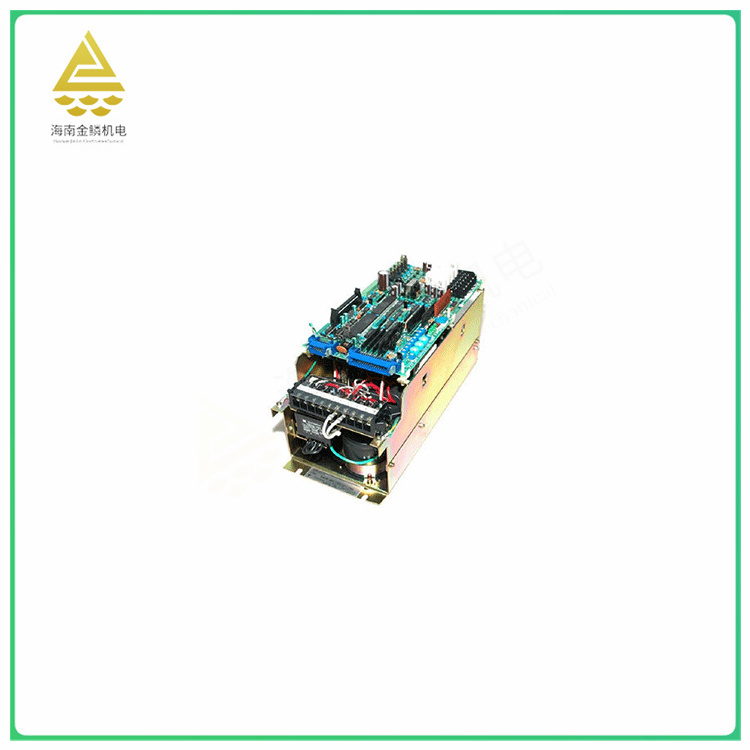
The CACR-SR15BB1BM is a servo drive model from Yaskawa Electric. Servo drives play a key role in industrial automation and are responsible for precisely controlling the movement of servo motors. The following is an analysis of the possible advantages and disadvantages of CACR-SR15BB1BM:
Advantages:
High precision control: Servo drives provide high precision speed and position control, ensuring precise motion execution, which is critical for applications that require high precision positioning.
Fast response: The servo drive has a fast dynamic response capability and can quickly adjust the motor to respond to rapidly changing needs, providing smooth motion control.
Stability and reliability: Yaskawa is a well-known provider of industrial automation solutions, and its servo drives undergo strict quality control and testing to ensure long-term stable operation and reliable performance.
Easy integration: CACR-SR15BB1BM usually provides standard communication interfaces and protocols, such as EtherCAT, Profinet, etc., to facilitate integration with other industrial automation equipment and systems.
Rich debugging and monitoring functions: Provides a user-friendly interface and rich debugging tools, so that users can easily set parameters, status monitoring, and troubleshooting.
Energy saving and environmental protection: The servo drive uses advanced energy management technology and efficient control algorithms to reduce energy consumption and reduce environmental impact.
Cons:
Higher cost: Servo drives are generally more expensive than traditional open-loop control systems because they offer higher accuracy and performance.
Sensitivity to power and environment: The servo drive has high requirements for the stability of the power supply, and also has certain requirements for the working environment, such as temperature, humidity, etc., which may require additional power and environmental management measures.
Professional Training required: While servo drives offer a wealth of debugging and monitoring capabilities, additional training or guidance may be required for those without experience or expertise to take full advantage of these capabilities.
Maintenance and updates: As technology continues to evolve and update, servo drives may require regular maintenance and updates to maintain their optimal performance.