DSQC663 is an industrial robot driver, with high efficiency, stability, reliability and other advantages, suitable for a variety of industrial automation scenarios requiring precise control and monitoring. The driver uses advanced control technology to achieve high precision, high speed and high response control performance to meet the needs of various complex and efficient industrial automation applications. In addition, DSQC663 drives also have a variety of protection functions and easy integration and customization characteristics, which can effectively protect equipment and personal safety, convenient for users to integrate and customize development. In summary, DSQC663 is a kind of industrial automation robot driver suitable for various needs of high performance and high reliability.
The DSQC663 is a six-axis robot controller produced by ABB with high precision, high speed and high reliability. Here are some detailed descriptions of the functions and features of the DSQC663:
High precision control: DSQC663 can realize complex motion trajectory control and accurate position control, and its motion control ability has high precision, which can meet a variety of industrial automation scenarios requiring precise control and monitoring.
High speed and efficiency: This controller uses advanced motor technology and control algorithms to achieve efficient energy conversion, reduce energy consumption and operating costs.
Stability and reliability: DSQC663 is made of high-quality electronic components and materials, through strict quality control and testing, and can operate stably in harsh industrial environments to ensure the reliability and stability of equipment.
Rich interface and communication capabilities: DSQC663 supports a variety of communication protocols and interfaces to facilitate connection and communication with other devices, enabling rapid system integration and optimization.
Perfect protection function: DSQC663 has over current, over voltage, under voltage and other protection functions, which can ensure the safe operation of the equipment and drive system and effectively avoid the occurrence of accidents.
Good compatibility and flexibility: DSQC663 supports a variety of programming languages, such as ABB's RAPID language, C++, Java, etc., and supports a variety of control methods, such as position control, speed control, force control, etc. This makes DSQC663 compatible and flexible.
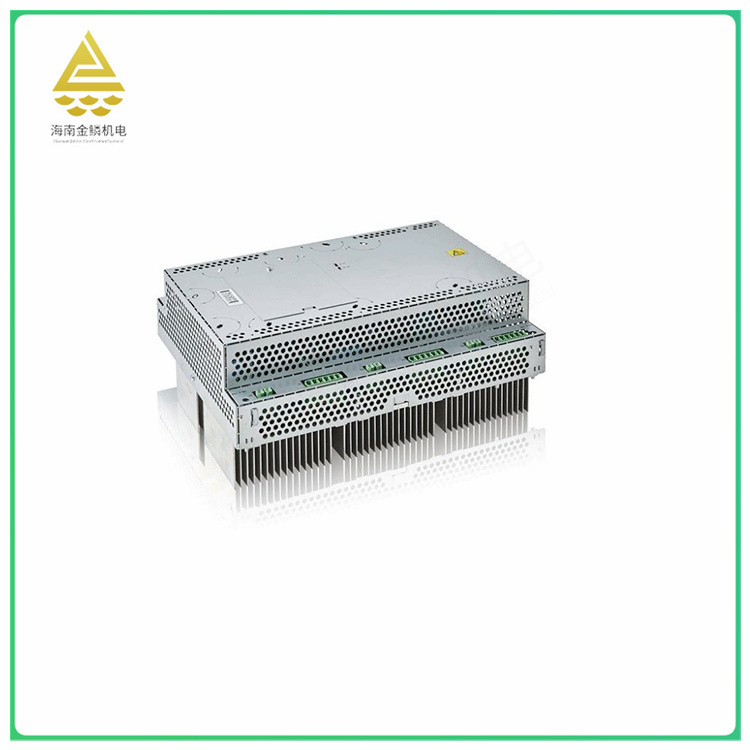
DSQC663 Industrial robot driver is an electrical device used to drive the movement of the joints of industrial robots, its main advantages include:
Delivers higher precision and speed: Industrial robot drives can achieve higher precision and speed, thereby improving the efficiency and quality of the robot.
Improved robot stability: The DSQC663 Industrial robot driver improves the stability of the robot, enabling it to work in a variety of environments.
Reduce robot maintenance costs: Industrial robot drives have a long service life, which can reduce robot maintenance costs.
The main disadvantages of industrial robot drives include:
Higher cost: The DSQC663 industrial robot drive has a higher cost, which may limit its use in some applications.
Large size: Industrial robot drives are large in size, which may limit their use in some small robots.
Expertise required: DSQC663 industrial robot drives require expertise to be installed and maintained, which can increase the cost of use.
In general, the DSQC663 industrial robot driver has the advantages of high precision, fast speed, good stability and long service life, but it also has the disadvantages of high cost, large volume and the need for professional knowledge.