ETT-VGA is a pixel-based display with a 16-color LCD or color STN with VGA resolution. Such displays are widely used in application scenarios that require graphical interfaces, such as industrial automation, embedded systems, and smart homes. The benefits of ETT-VGA include high brightness, high contrast, high reliability, and long life. In ETT-VGA modules, electronic potentiometers are usually used to adjust parameters such as brightness, contrast, and color of the display. In addition, ETT-VGA is cost-effective, easy to integrate and reliable.
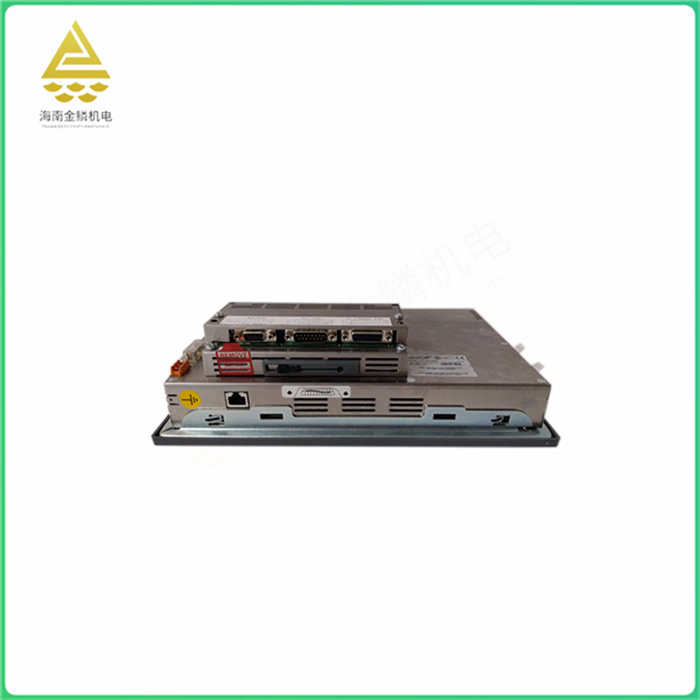
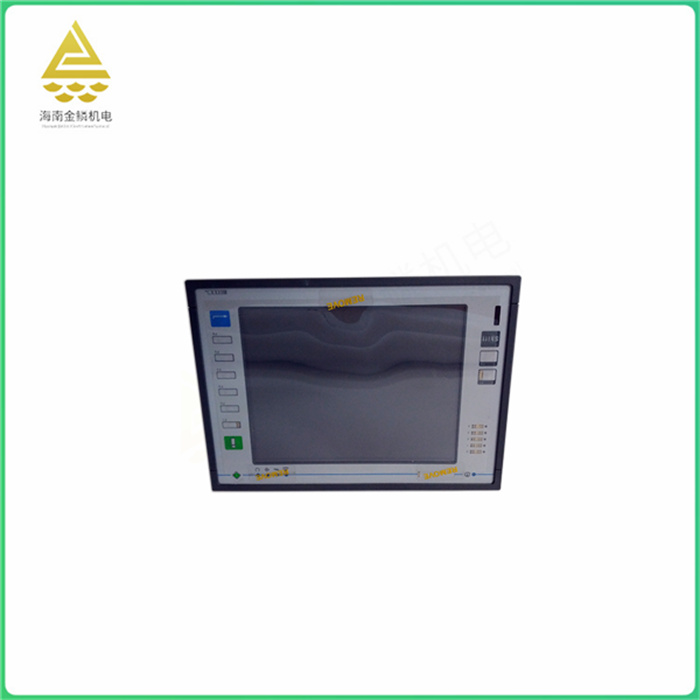
A monitor is an output device whose main function is to display image signals in a computer. It can convert the image signal in the computer into a visual image and display it on the screen for the user to view and use. For example, users can view emails, documents, pictures, videos, etc., on the display.
In addition, the display has other functions, such as increasing work efficiency and improving the entertainment experience. For example, users can have multiple Windows open on the monitor at the same time in order to view and work on multiple tasks simultaneously. In addition, some advanced displays can provide more realistic gaming and video experiences, such as high definition video and games.
In addition, some monitors have specific functions, such as eye protection. These displays are often designed with low blue light, anti-glare, etc., to reduce fatigue and damage to the eyes. At the same time, some displays can also adjust parameters such as brightness and contrast according to user preferences to improve user comfort and experience.
In short, the main function of the monitor is to display the image signal in the computer, and to provide the user with the interface to view and use the computer. At the same time, some advanced displays also have functions such as improving work efficiency, improving entertainment experience and eye protection to meet the different needs of users.
The advantages of the display are mainly reflected in the following aspects:
High Definition: Modern displays often have high resolution and high definition, capable of presenting clear, delicate images and videos. This is important for work, play, and play.
Large screen: The display is usually much larger than the screen of a laptop or tablet, which allows users to read text, view images and videos more comfortably, and increase productivity.
Color accuracy: Displays are capable of providing accurate color reproduction, which is important for applications that require color accuracy, such as graphic design, photography, and video editing.
Adjustability: Many monitors have adjustable brightness, contrast, and color Settings that users can adjust according to their preferences and needs for the best visual results.
Comfort: Compared with traditional CRT displays, modern liquid crystal displays (LCDS) are usually thinner, more energy efficient, and have lower radiation, which has a positive impact on the user's health and comfort.
Multitasking: With the display, users can easily switch between multiple Windows and handle multiple tasks at the same time, improving work efficiency.
Entertainment experience: The large screen and high definition display can provide a better gaming and video experience, allowing users to immerse themselves in the entertainment time.
Connectivity: Displays typically have multiple interface options, such as HDMI, DisplayPort, and USB-C, which can be connected to a variety of devices for flexible expansion and use.
Long-term use: Compared with traditional projection systems, the display has a longer service life and can be used for a long time without changing the bulb, reducing maintenance costs.
In addition, the display also has the advantages of environmental protection and space saving. For example, liquid crystal display (LCD) does not contain harmful substances such as lead and is friendly to the environment; At the same time, due to the relatively small size of the display, it can save desktop space and make the working environment more tidy.
In general, the benefits of displays include high definition, large screen, color accuracy, adjustability, comfort, multitasking, entertainment experience, connectivity, and prolonged use. These advantages make the display an indispensable device for work, study and play.
It should be noted that different types and brands of displays may have different characteristics and advantages, and users should be considered according to their needs and budgets when choosing.
The display is a widely used output device, and its application scenarios are very wide. Here are some typical use cases for monitors:
Office and home office: In office and home office environments, displays are widely used for a variety of tasks, such as document processing, table computing, graphic design, web browsing, and email. Through the display, users can complete work tasks and homework more comfortably.
Computer games: Computer games require a high quality picture and fast response time, and the monitor can provide these characteristics. Gamers can use high-definition, high-refresh monitors for a better gaming experience.
Video editing and post-production: Video editing and post-production require accurate colors and high-quality pictures, and monitors can provide these characteristics. Professional video editors and post-production staff usually use professional monitors to ensure color accuracy and picture quality.
Medical imaging: Medical imaging requires high definition, high contrast, and accurate color, and displays can provide these features. For example, doctors can use high-definition medical image displays to observe and analyze patient medical images, such as X-rays, CT scans, and MRI.
Industrial automation: In the field of industrial automation, displays are used for the control and monitoring of various machines, such as control screens on production lines and monitoring screens for mechanical equipment. Through the display, the staff can more easily control and monitor the running state of the machine.
Aerospace: In the aerospace sector, displays are used for control and monitoring of various aircraft, such as pilot dashboards, flight control screens, etc. Through the display, the pilot can more easily obtain flight information and control flight status.
Military applications: In the military field, displays are used for the control and monitoring of various military equipment, such as the guidance screen of a missile, the dashboard of a fighter jet, etc. Through the display, military personnel can more easily obtain military information and control the operation of military equipment.
In short, the application scenarios of the display are very wide, covering almost every field. Whether it is for work, study or play, the display is one of the indispensable devices for people.


