The FBM202 P0926EQ is an analog input module for distributed control systems. Here is a detailed description of the module:
Distributed control: The FBM202 P0926EQ, as part of a distributed control system, enables distributed data acquisition and processing. This control method helps to improve the reliability and flexibility of the system, and ADAPTS to the control requirements of different scale and complexity.
Analog input: As an analog input module, the module can receive various analog signals, such as temperature, pressure, flow, etc., and convert them into digital signals for further processing and control.
High precision and stability: The use of high-precision analog input technology to ensure the accuracy and stability of signal acquisition. This helps to improve the accuracy and response performance of the control system.
Multiple channel configurations: The module can be configured with different number of analog input channels according to actual requirements to adapt to different application scenarios.
Compatible with a variety of protocols: The module is compatible with a variety of common communication protocols, such as Modbus, Profibus, etc., to facilitate integration and data exchange with various devices and systems.
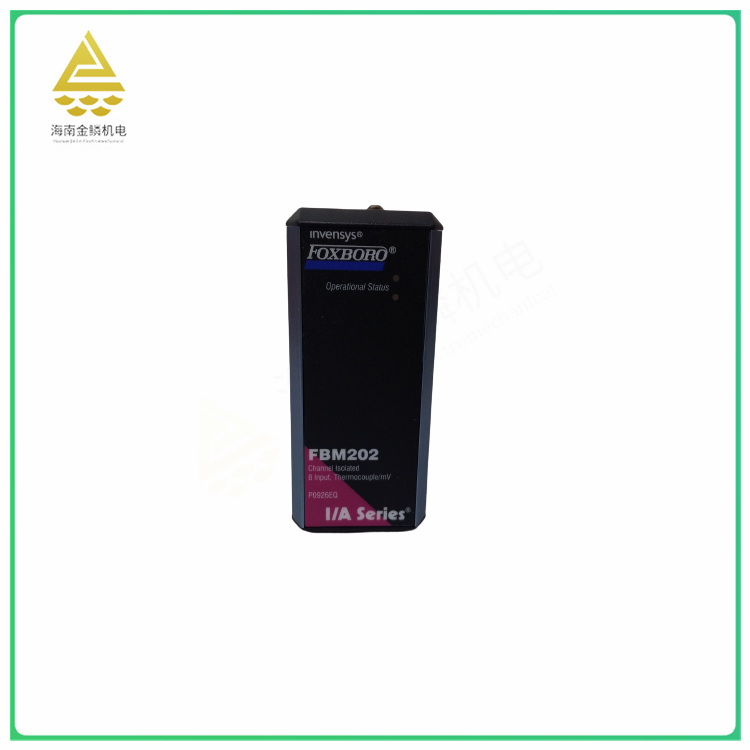
Remote monitoring and diagnosis: Through the connection of industrial Ethernet or fieldbus network, the module can realize remote monitoring and diagnosis functions, and facilitate the management and maintenance of the system.
In short, the FBM202 P0926EQ, as one of the representatives of the analog input module in the distributed control system, is characterized by high accuracy, stability, and flexible channel configuration and protocol compatibility. It is widely used in various industrial automation, environmental monitoring, energy management and other fields to provide strong support for efficient and accurate control.
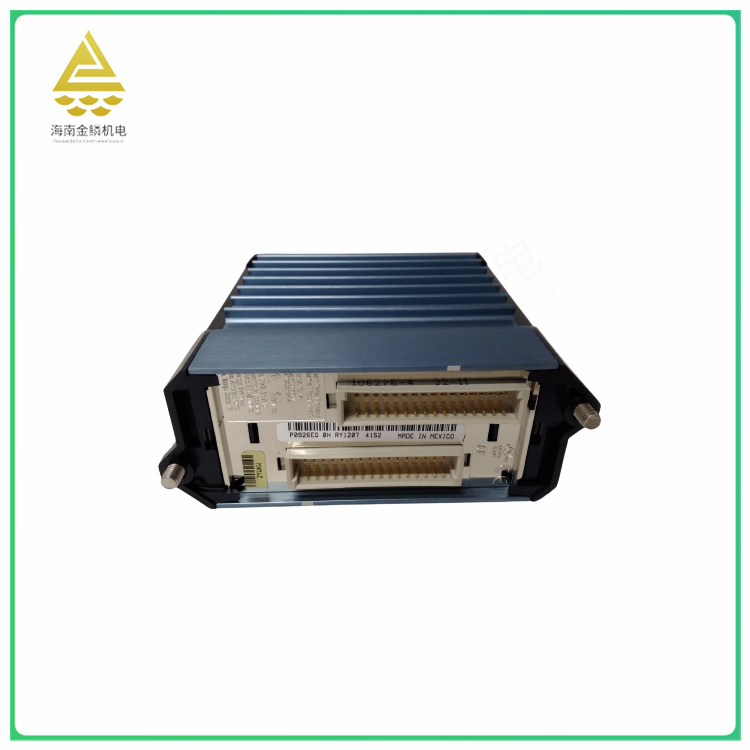
Advantages:
High precision and stability: The module adopts high precision analog input technology, which can accurately measure and convert analog signals to ensure the stability and accuracy of the system.
Flexible channel configuration: The module can be configured with different number of analog input channels to meet the requirements of different application scenarios.
Multi-protocol compatibility: The module is compatible with a variety of common communication protocols, facilitating integration and data exchange with various devices and systems.
Remote monitoring and diagnosis function: Through the connection of industrial Ethernet or fieldbus network, remote monitoring and diagnosis function can be realized to facilitate the management and maintenance of the system.
Good scalability: The module has good scalability, can connect the expansion unit or expansion module on the basic unit, for flexible input and output combination.
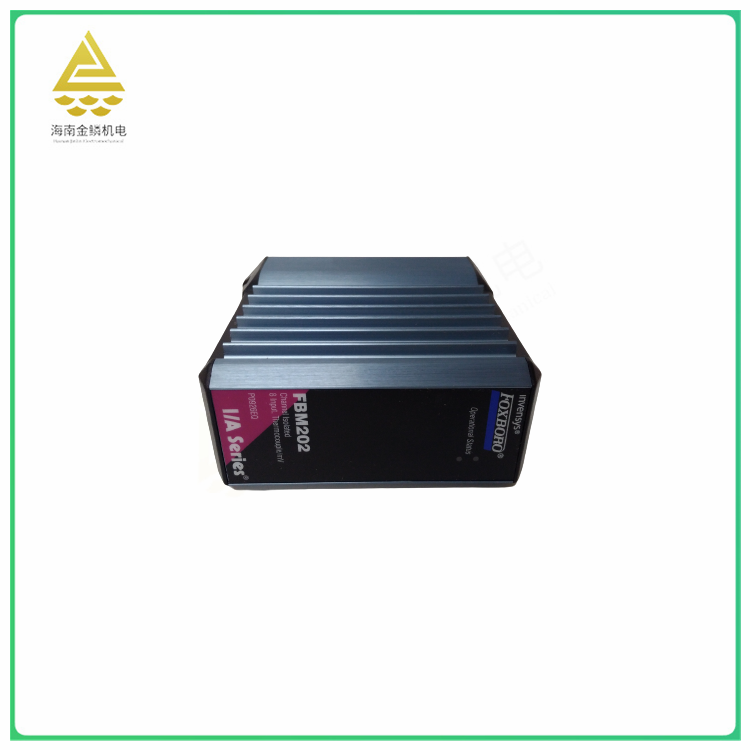
Cons:
Higher cost: The FBM202 P0926EQ may cost more than some common analog input modules.
High maintenance requirements: Due to the multiple functions and features of the module, more complex maintenance and debugging processes may be required.
High technical requirements: The use of this module requires a certain technical foundation and experience, and high requirements for technical personnel.


