IMASI13 is a product model from ABB, usually referring to a Bailey control panel or related industrial control equipment. This control panel may have a variety of functions and characteristics suitable for different areas of industrial automation and control systems.
The IMASI13 control panel may have the following characteristics:
Programmable control: IMASI13 may be a programmable control panel that users can program and configure according to actual needs to meet specific control requirements.
A variety of interfaces and communication protocols: The control panel usually has a variety of interfaces and communication protocols, such as RS232, RS485, Ethernet, etc., which can communicate and exchange data with other devices.
Display and monitoring function: IMASI13 may be equipped with a display screen and monitoring function to display the status and operating parameters of the device in real time, which is convenient for users to monitor and manage.
Flexibility and scalability: The control panel usually has good flexibility and scalability, and can add or remove functional modules as needed to adapt to different application scenarios.
The IMASI13 control panel may be suitable for some of the following industrial automation and control system applications:
Production line control: In the production line, IMASI13 can be used as a key control equipment, responsible for monitoring and controlling all aspects of the production line to ensure the smooth progress of the production process.
Mechanical equipment control: In mechanical equipment, IMASI13 can be used to achieve automatic control and operation of equipment, improve the operating efficiency and stability of equipment.
Energy management: In the energy sector, such as power plants, wind power and solar power stations, IMASI13 can be used to monitor and control the operating status of energy equipment and improve energy management efficiency.
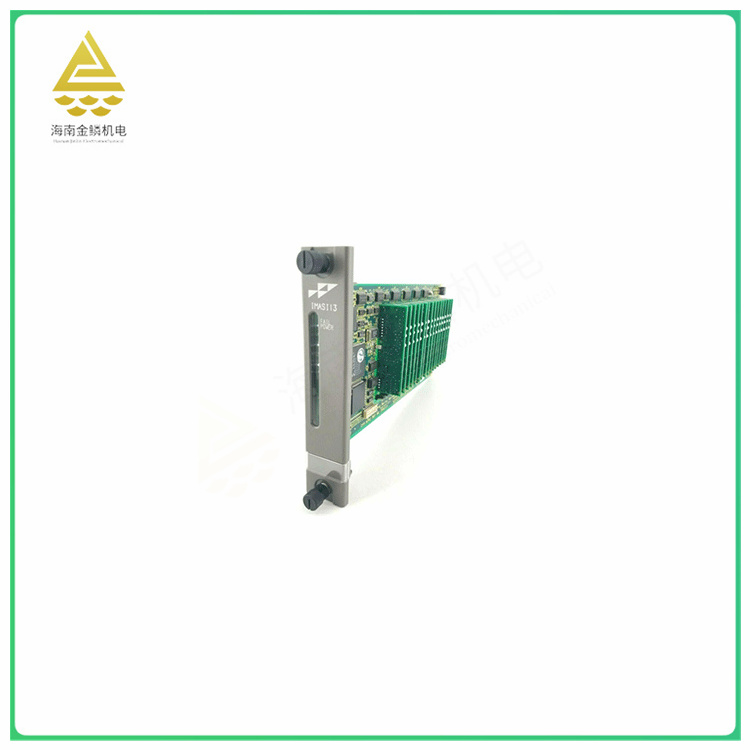
IMASI13, a product of ABB, is a Bailey control panel with specific functions and application areas that may vary from version to version and configuration. Typically, such a control panel may have the following functions:
Programmable control: IMASI13 may allow users to program and configure it to meet specific control needs. Through programming, users can set different control logic and parameters to adapt to different industrial automation applications.
Monitoring and display function: The control panel is usually equipped with a display screen and monitoring function, which can display the status and operating parameters of the device in real time. You can learn about the current status, fault information, and running data of the device through the display to monitor and manage the device in a timely manner.
Communication and interface: IMASI13 may support a variety of communication protocols and interfaces, such as Ethernet, RS232, RS485, etc., to achieve communication and data exchange with other devices and systems. This allows it to play an important role in industrial automation networks for data sharing and control collaboration with other control devices, sensors and actuators.
In terms of application areas, IMASI13 may be widely used in the following areas:
Production line control: In the production line, IMASI13 can be used as a key control equipment, responsible for monitoring and controlling all aspects of the production line to ensure the smooth progress of the production process.
Mechanical equipment control: In mechanical equipment, IMASI13 can be used to achieve automatic control and operation of equipment, improve the operating efficiency and stability of equipment.
Energy management: In the energy sector, such as power plants, wind power and solar power stations, IMASI13 can be used to monitor and control the operating status of energy equipment and improve energy management efficiency.
Building automation: In intelligent buildings and building automation systems, IMASI13 can be used to monitor and control various equipment in the building, such as air conditioning systems, lighting systems, security systems, etc., to improve the energy efficiency and comfort of the building.