The IR139-1 is a communication module manufactured by ALSTOM, now part of General Electric's (GE) energy division. This module plays a key role in industrial automation and control systems, enabling data exchange and communication between devices.
Main function
The main functions of the IR139-1 communication module include:
Data communication: It supports data communication between devices, ensuring that various devices can share information and achieve collaborative work.
Multiple communication protocols and interfaces: In order to meet different application requirements, IR139-1 supports a variety of communication protocols and interfaces, which is convenient for users to select and configure according to specific conditions.
Data transmission rate support: The communication module supports different data transmission rates to meet the needs of data transmission speed in different applications.
Application scenario
Due to its strong communication capabilities and adaptability, IR139-1 is widely used in a variety of industrial automation scenarios that require communication and collaborative work between devices, including but not limited to manufacturing, energy and power industries, logistics and warehousing. In these areas, IR139-1 can help enterprises achieve intelligent management and optimization of equipment operation, improve production efficiency and quality.
Technical characteristics
In addition to the basic data communication functions, the IR139-1 communication module may also have the following technical features:
Data encryption and authentication: In order to ensure the security of the communication process, IR139-1 may employ data encryption technology and authentication mechanisms to protect the integrity and confidentiality of the data.
High reliability: Considering the complexity and rigor of the industrial automation environment, the IR139-1 communication module is usually designed with high reliability, which can operate stably for a long time and reduce the possibility of failure.
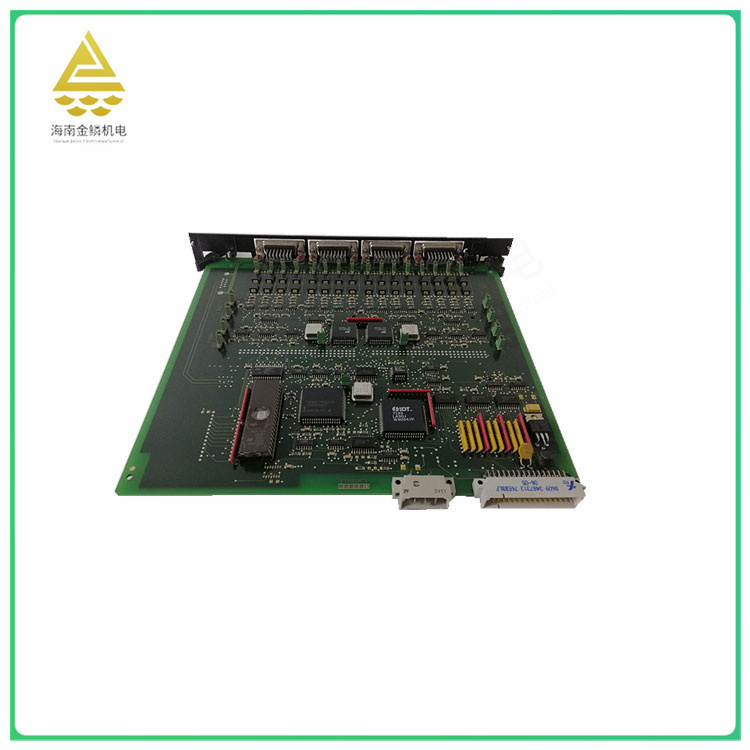
The IR139-1 communication module has been widely used in many fields because of its excellent data exchange and communication ability. Here are some of the main application scenarios:
Industrial automation: In the industrial automation system, the IR139-1 communication module is used to ensure data transmission and information sharing between various devices, achieve collaborative work between devices, and improve production efficiency.
Power system: In the power system, the communication module is used to monitor and control power plants, substations and other equipment to achieve remote management of the power system and improve the safety and stability of the power system.
Traffic system: In the traffic control system, the IR139-1 communication module can be used for signal control, intelligent traffic systems, etc., to improve traffic fluency and safety.
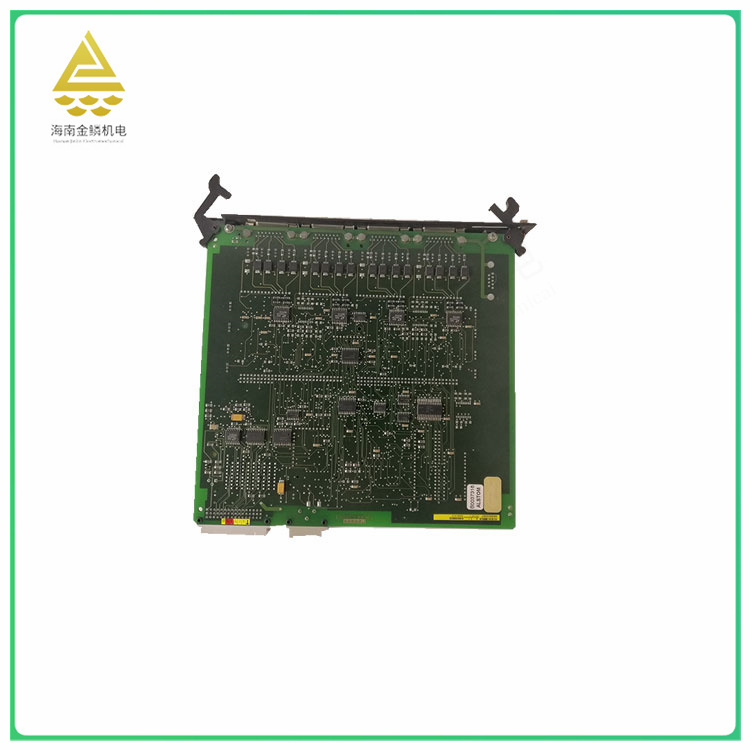
Building automation: For large buildings and facilities, communication modules support networking and remote monitoring of lighting, air conditioning, security systems, etc., to achieve intelligent building management.
In addition, the IR139-1 communication module may also be used in other industrial areas that require precise control and monitoring, such as chemicals, metallurgy, mining, etc. In these fields, it can help enterprises realize the automatic operation and intelligent management of equipment, improve production efficiency and reduce operating costs.


