IS200TSVCH1AJE- MRP081636 is a product identifier for redundant modules provided by General Electric. A redundant module is a key component designed to ensure high availability and reliability of the system. When a major component or module of the system fails, redundant modules can automatically take over the function, thereby maintaining the continuous operation of the system. This is crucial for applications that need to run 24/7.
As for IS200TSVCH1AJE- MRP081636, this module may have some specific functions and features, but the specific details may need to be confirmed according to GE's official documentation or technical specification sheet. In general, redundant modules have the following characteristics in common:
Hot backup: A redundant module is usually in a hot backup state, which means it is always ready to take over the main function if needed.
Seamless switchover: When the main module fails, redundant modules can seamlessly take over to ensure the continuity of system operation.
High reliability: Because redundant modules are designed for high availability and reliability, they typically have high quality standards and rigorous testing processes.
May have monitoring and diagnostic functions: Redundant modules may also have monitoring and diagnostic functions to detect the health of the system and provide early warning and fault indication.
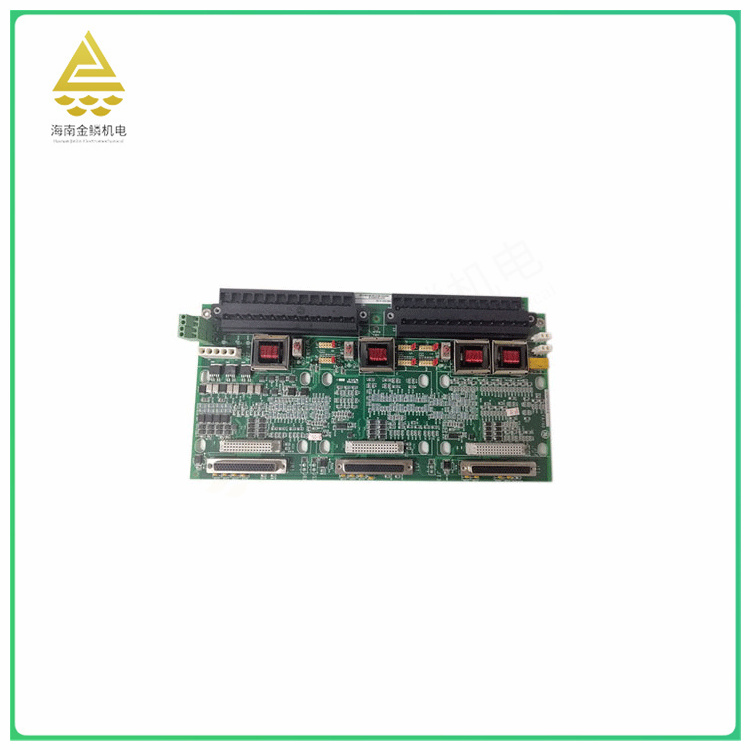
IS200TSVCH1AJE- MRP081636 is a redundant module provided by GE (General Electric), designed to ensure high system availability and reliability. This kind of module is widely used in many fields such as industrial automation, power system, traffic signal system and so on. The following is an analysis of its possible advantages and disadvantages:
Advantages:
High reliability: The core advantage of redundant modules is the high reliability they provide. When the main module fails, the redundant module can quickly take over, ensuring continuous system operation and reducing downtime caused by failure.
Seamless switching: Redundant modules are often capable of seamless switching, which means that in the event of a failure, the user may not even be aware of any interruption, thus maintaining the stability of the system and the user experience.
Easy to manage: Redundant modules are often used in conjunction with monitoring systems to monitor the health of the system in real time, providing early warning and fault indication, making management and maintenance simpler and more efficient.
Flexibility: Redundant modules are designed so that the system can be expanded and upgraded as needed to adapt to changing business needs and technology environments.
Cons:
Cost: Redundant modules are generally more expensive than regular modules because they contain additional hardware and software to support failover and redundancy functions. This can increase the overall cost of the system.
Complexity: While redundant modules can improve the reliability of a system, they also increase the complexity of the system. This may require more expertise and technical support to configure and maintain.
Energy efficiency: Since redundant modules need to operate continuously to maintain their hot backup status, this can increase the energy consumption of the system.
Possible compatibility issues: While redundant modules are often designed to be compatible with a particular system or device, in some cases, compatibility issues can occur that cause the system to not work properly.
It should be noted that the advantages and disadvantages mentioned above are based on the model


