IS210BPPBH2CAA is a module that performs turbine application software designed for Mark
VI Turbine control system. Its specific characteristics are as follows:
Operating interface: There is an operator interface known as HMI or Human Machine interface, which is designed specifically for IS210BPPBH2CAA models. This interface is based on the Microsoft Windows NT PC operating system and supports a graphical display system, client/server functions, software interfaces, and a control system toolbox for maintenance.
Hardware design: The module is a printed circuit board, especially suitable for Mark
VI Turbine control system. Its key feature is that it can be used with two types of turbine prime movers: steam turbines or gas turbines.
Main components: The main components of the module consist of eight internally threaded plug connectors with pins ranging from 2 to 18. On the left side of a row of plates, there are six metal oxide rheostat.
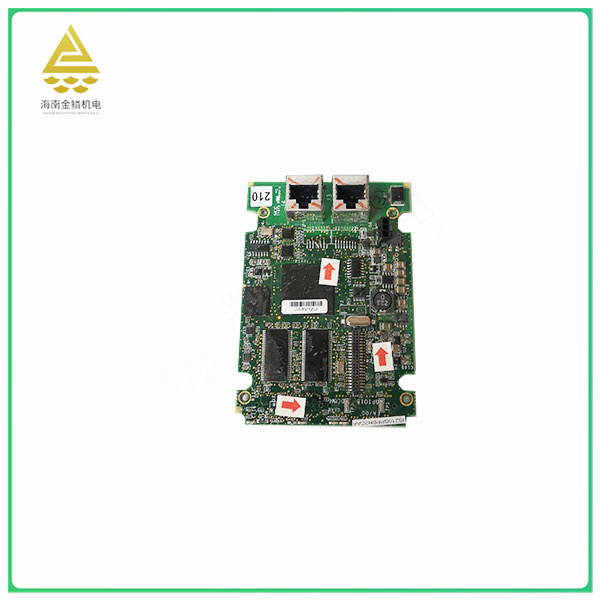
.Application scenario: When the module is installed in the turbine control system, it is located in the main control module and may also be used with the backup control module.
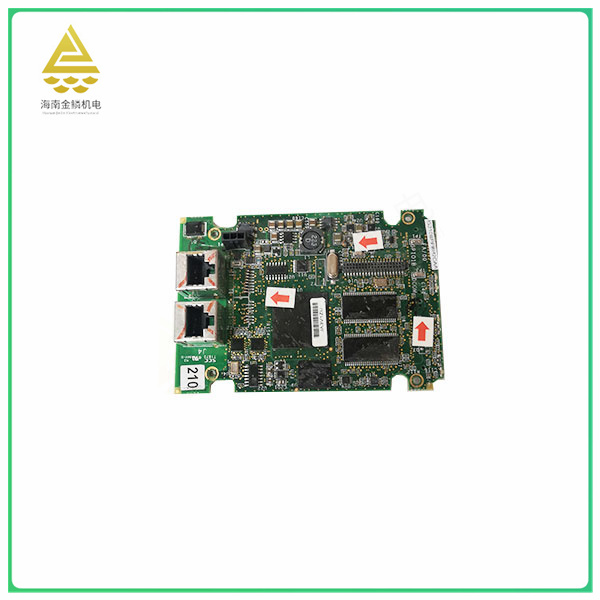
Special Features: When the IS210BPPBH2CAA model is used in a TMR (three-module redundancy) system, there are three processor cards. These processor cards are used on the BPPB board and other modules already installed on the VME rack.
Overall, the IS210BPPBH2CAA is a powerful module suitable for a variety of application scenarios in turbine control systems.
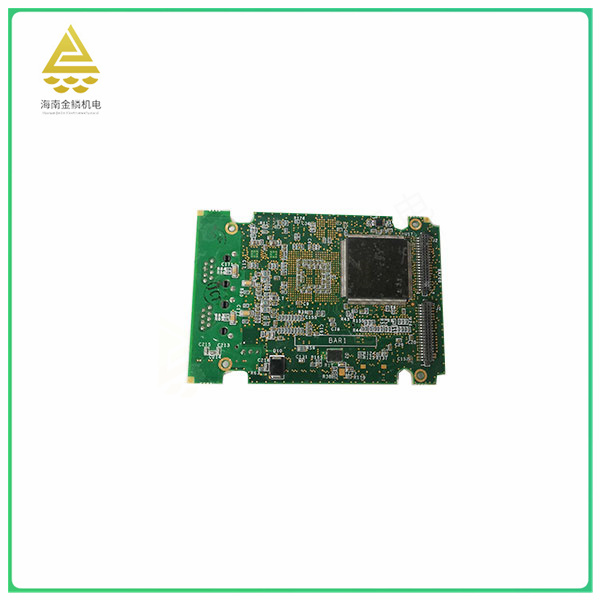
IS210BPPBH2CAA model is used for Mark
VI Turbine control system, designed as a printed circuit board. Its application areas mainly include but are not limited to:
Turbine control system: As part of the turbine control system, this module is used to monitor and control the operation of the turbine. By receiving and sending signals, the module ensures that the turbine is operating under the correct parameters and responds quickly to any abnormal conditions.
Energy industry: Due to the wide application of turbines in the energy industry, this module is also used extensively in this field. It can be used to control and monitor the operation of equipment such as gas turbines and steam turbines, thereby improving energy conversion efficiency and ensuring the stability of energy production.
Chemical industry: In the chemical industry, turbines are used in a variety of processes and reactions. By using this module, the operation of the turbine can be controlled more precisely, thus improving production efficiency and product quality.
Marine and aviation sectors: In these sectors, turbine performance and safety are of Paramount importance. The IS210BPPBH2CAA module is used to ensure the reliable operation of the turbine and monitor its performance to ensure safety.
Power industry: In electricity production, turbines are used for hydroelectric and thermal power generation. The module is used to control the operation of the turbine, ensuring the stability and efficiency of the power generation.
In addition, the IS210BPPBH2CAA module can be used in other areas where precise control and monitoring of turbines is required.


