Brand: GE
Model: IS215ACLEH1A
Name: Application control layer module
Warranty: One year
The IS215ACLEH1A is an application control layer module that has a higher assembly level than other EX2100 models, indicating increased components. The board has two half slots and two Ethernet ports on the front panel. The main function of the IS215ACLEH1A is as a microprocessor-based controller. The model is part of a series of application control layer modules in the EX2100 series produced by GE Industrial Systems. The first ACL E module is equipped with a peripheral component interconnect (PC) controller and two Ethernet interfaces.
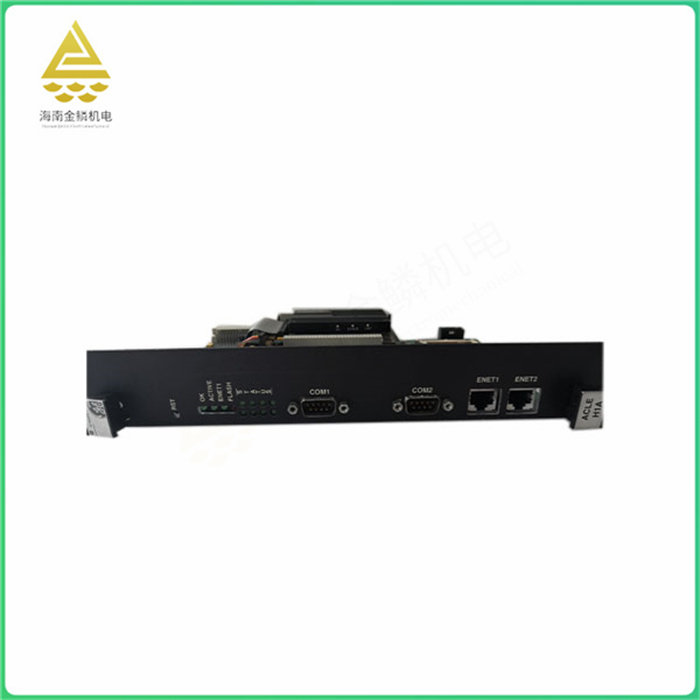
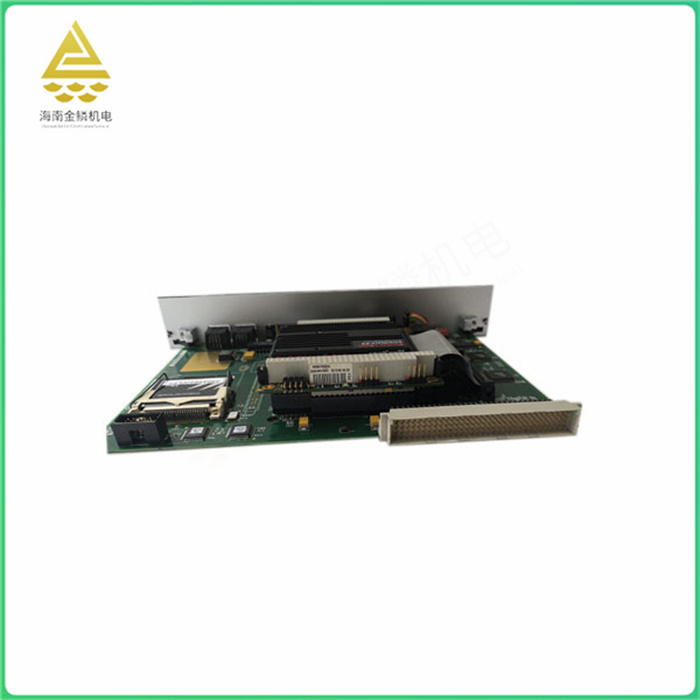
The function of the control layer module mainly includes the following aspects:
Implementation of business logic: The control layer module can implement different business logic according to different business requirements. This includes handling user requests, validating data, calling other modules, and so on.
Control business processes: The control layer module can control the execution flow and sequence of business processes. It can decide what to do next based on the parameters it receives and the feedback from other modules.
Coordinate work between modules: The control layer module can coordinate the work between different modules to ensure that they can work together to complete the task. This includes interaction and collaboration with front-end modules, back-end modules, data access modules, etc.
Manage and maintain the database: The control layer module can manage and maintain the database, including data storage, retrieval and update operations. This ensures the accuracy and integrity of the data and improves the performance and efficiency of the system.
Provide interface and user interaction: The control layer module can provide interface and user interaction, receive user input and request, and return processing results and feedback information. This can improve the readability and ease of use of the system and enhance the user experience.
In general, the control layer module plays a key role in the system, it is responsible for implementing the business logic, controlling the business process, coordinating the work between different modules, managing and maintaining the database, and providing interfaces to interact with users. These features ensure system stability and reliability, improve system performance and efficiency, and enhance the user experience.
The functions of the control layer module mainly include the following aspects:
Receive and process parameters transmitted from the front end: The control layer module can receive parameters from the front end and perform corresponding business operations according to these parameters. Front-end parameters can include information such as data entered by the user, the type of request, and so on.
Control service flow: The control layer module determines the required service operations based on the received parameters. This may involve calling different business logic or services, or doing some specific data processing.
Interaction with other modules: Control layer modules need to interact with other modules, such as returning processing results to the front end, or requesting data to the back end.
Managing and maintaining databases: Control layer modules may need to manage and maintain databases, including data storage, retrieval, and updating.
In general, the main function of the control layer module is responsible for the business process control of the specific module, it interacts with other modules according to the parameters received, manages and maintains the database, and finally returns the processing results to the front end.
The control layer module has a wide range of application scenarios in various systems and applications. For example, in a Web application, the control layer module can handle user requests, control page jumping and data passing operations. In the server application, the control layer module can coordinate the interaction between different services to ensure the smooth progress of business processes. In embedded system, the control layer module can control the operation and data processing of the equipment.
Specifically, the application scenarios of the control layer module include:
Web application: In the Web application, the control layer module can receive the user's request and parameters, process according to the business logic, and return the corresponding results and feedback information. For example, users browsing goods, placing orders, paying and other operations on the e-commerce website need to be controlled and coordinated by the control layer module.
Server-side applications: In server-side applications, control layer modules can receive requests from clients, process them according to business requirements, and return results and feedback information. For example, on the online education platform, user login, course selection, learning, examination and other operations need control and coordination of the control layer module.
Embedded system: In the embedded system, the control layer module can control various operations and data processing of the device. For example, in the smart home system, the control layer module can control the switch of the light, the temperature of the air conditioner, the playback of the TV and other operations.
Mobile applications: In mobile applications, control layer modules can process user requests and parameters, control the flow and interaction of the application, and return results and feedback information. For example, in navigation applications, user input destination, view route, navigation and other operations need control and coordination of the control layer module.
In general, the control layer module plays an important role in various systems and applications, can handle user requests, control business processes, coordinate the work between different modules, manage and maintain databases and other operations. These functions can improve system performance and efficiency, enhance user experience, and ensure system stability and reliability.


