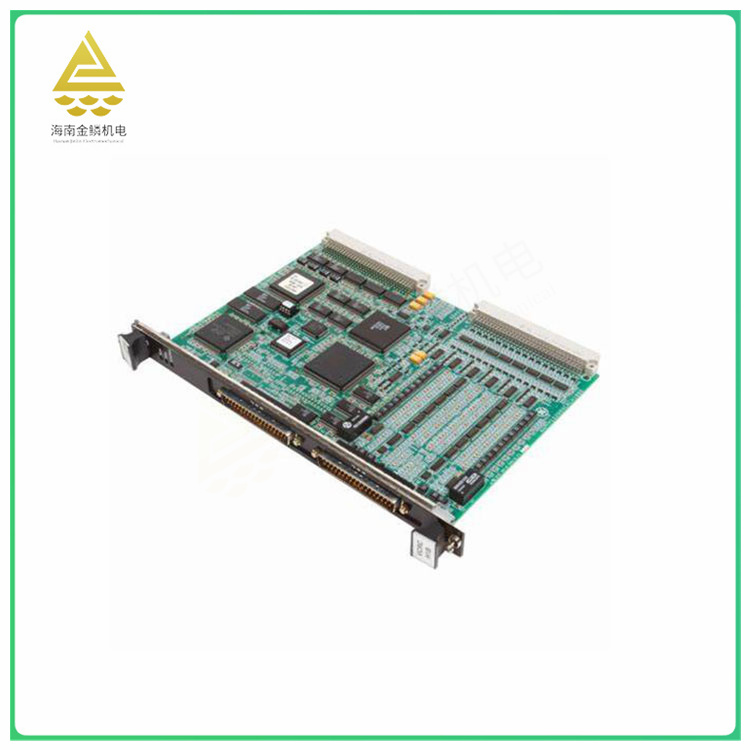
The IS215VCMIH2BB and IS200VCMIH2BCC are two turbine gas control modules developed by GE. These modules are key components of the gas turbine engine control system, with a variety of features and functions to ensure stable and reliable engine operation.
Specifically, the features of the two control modules include:
High performance: Using advanced microprocessors and algorithms, it can quickly and accurately process various sensor signals and control instructions to ensure accurate control of the engine.
Modular design: The modular design makes the control module easy to expand and maintain, and can be customized and configured according to actual needs.
Multiple input/output interfaces: Input and output interfaces that support a variety of sensors and actuators can communicate and control the various subsystems of the engine.
Safe and reliable: With over current protection, over voltage protection, under voltage protection and other safety protection functions to ensure the safety and reliability of equipment and systems.
Programmability: Users can configure and customize according to specific application requirements to achieve customized control logic and functions.
Easy to use and maintain: provides easy-to-use configuration software and programming interfaces for easy development and maintenance.
Strong compatibility: Compatible with other GE or third-party modules and devices for easy integration and expansion.
In addition, the IS200VCMIH2BCC has the additional advantages of a Pentium III processor-based computer's single Eurocard architecture and an advanced VMEbus interface, making it ideal for multiprocessor applications.
In practical applications, the IS215VCMIH2BB and IS200VCMIH2BCC are suitable for a variety of gas turbine engine control systems, providing high performance, reliable and flexible control solutions. When selecting and using these control modules, it is recommended to refer to the latest product documentation and guidelines to ensure proper configuration and installation, and to work with an experienced automation engineer or system integrator to ensure stable operation and optimal performance of the system.
GE's IS215VCMIH2BB and IS200VCMIH2BCC turbine gas control modules offer significant advantages in gas turbine engine control systems, including:
Advantages:
High performance and precise control: These two control modules use advanced microprocessors and algorithms to quickly and accurately process various sensor signals and control instructions, ensuring stable, reliable and accurate engine operation.
Modular design: Modular design not only simplifies the installation and maintenance process, but also improves the scalability of the system, which can be customized and configured according to actual needs.
Multiple security protection functions: With over current protection, over voltage protection, under voltage protection and other security protection functions, these functions significantly improve the reliability of equipment and system.
Powerful programmability: Users can configure and customize according to specific application requirements to achieve customized control logic and functions, which greatly enhances the flexibility and adaptability of the system.
Easy to use and maintain: These two control modules provide easy-to-use configuration software and programming interfaces, which greatly simplifies the development and maintenance process for users.
Strong compatibility: It can be compatible with other GE or third-party modules and devices, which provides users with more choices and possibilities.
Cons:
High cost: Due to their high performance and advanced technology, the cost of these two control modules may be relatively high, which may increase the investment cost of users.
Professional training required: In order to fully utilize the functions and performance of these control modules, users may need to undergo professional training and study to master the relevant knowledge and skills.
Dependence on specific hardware and software: Although these two control modules have strong compatibility, they still need to rely on specific hardware and software to operate normally, which may cause certain restrictions on the user's choice and use.