Brand: GE
Model: IS22OPAICH2A
Name: Analog input/output module
Warranty: One year
IS220PAICH2A is an analog I/O module developed by General Electric, also known as A/D module or D/A module. It converts the continuous analog signal generated by the sensor detection in the field into the digital quantity that the PLC CPU can receive, which is generally 12-bit binary number. The more digital quantities the module has, the higher the resolution. It is also versatile, programmable, plug and play, and easy to use.
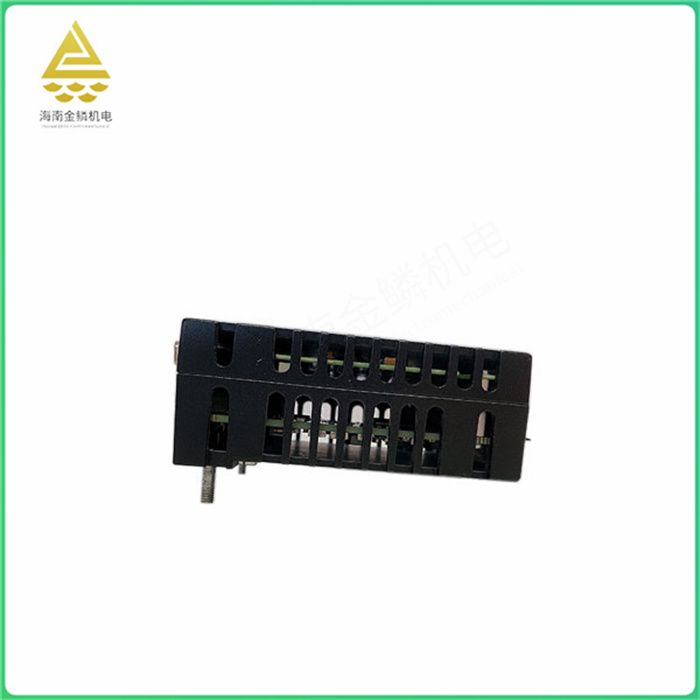
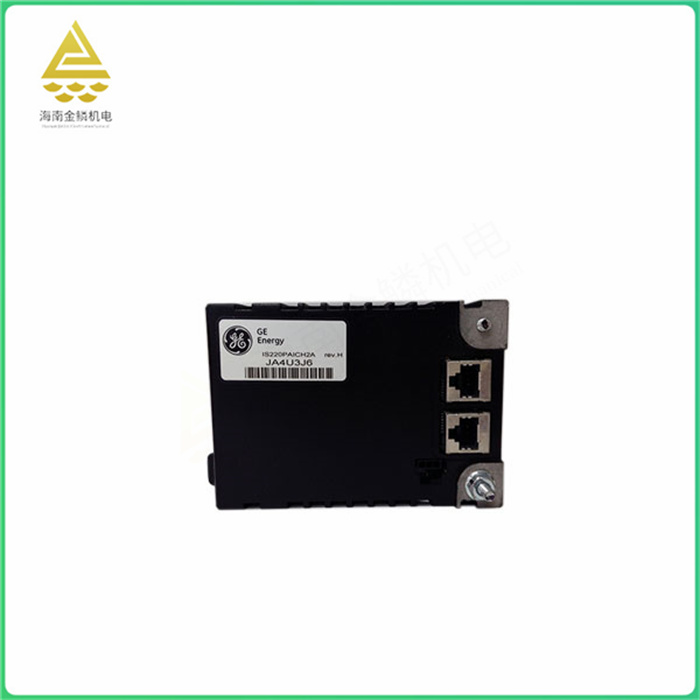
The function of the analog input/output module is to convert the continuous analog signal to the digital signal. Specifically, the analog input module receives the analog signal and converts it into a digital signal so that the controller or computer can process it; The analog output module converts digital signals to analog signals in order to control various analog devices.
These modules are widely used in automation control system, robot, medical equipment and other fields. For example, in TV control, the analog input module can input the pulse digital signal issued by the remote control or key scanning into the control block, after the digital-to-analog conversion of the analog output module, the output can change with the input signal continuous voltage signal, and then use the signal to control the sound channel, thereby controlling the volume, brightness and contrast.
Analog input/output modules typically have a variety of features and benefits, such as high reliability, fast response, programmable logic capabilities, fault detection capabilities, and ease of maintenance and debugging. They can be flexibly configured and extended to suit different control systems and application scenarios.
The advantages of analog input/output modules include:
Adaptable: Analog input/output modules can be adapted to different control systems and application scenarios, and can be configured and expanded to meet different needs.
High precision: Analog input/output modules typically have high precision and resolution, enabling more accurate measurement and control of the system's parameters.
High reliability: Analog input/output modules are usually designed with industrial standards, with high stability and reliability, and can ensure long-term normal operation.
Fast response: The analog input/output module usually has the ability to respond quickly and can process and transmit signals in time to ensure the real-time and accuracy of the system.
Programmable logic functions: Analog input/output modules often have programmable logic functions that can be programmed according to different control and monitoring tasks for more flexible and efficient control.
Easy maintenance and debugging: Analog input/output modules typically have a modular design that allows easy removal and replacement of components while also facilitating debugging and troubleshooting.
In short, the analog input/output module has the advantages of strong adaptability, high precision, high reliability, fast response, programmable logic function and easy maintenance and debugging, and has a wide range of applications in various industrial automation control systems, robots, medical equipment and other fields.
The application scenarios of analog input/output modules are very wide, and the following are some common application scenarios:
Industrial automation control system: In the industrial automation control system, the analog input/output module can be used to collect and output a variety of analog signals, such as temperature, pressure, liquid level, speed, etc., to achieve the control and monitoring of industrial processes.
Robots: Robots need analog input/output modules to control and monitor devices such as servo motors and sensors.
Medical equipment: Medical equipment requires analog input/output modules to achieve the collection and output of various physiological signals, such as blood pressure, ECG, blood oxygen, etc.
Smart home: Smart home requires analog input/output modules to achieve control and monitoring of various appliances, such as lighting, air conditioning, television, etc.
Energy management: Energy management requires analog input/output modules to achieve the acquisition and output of various energy parameters, such as electricity, water pressure, gas, etc.
In short, analog input/output modules have a wide range of applications in various control systems and equipment, which can achieve high-precision, reliable and fast response control and monitoring.


