The IS220PDOAH1A is a discrete output package in the GE Speedtronic Mark VIe gas turbine control system. It is a circuit board component that enables the input and output of discrete signals in a gas turbine control system.
The main function of IS220PDOAH1A is to convert discrete signals into digital signals so that the control system can process and analyze these signals. At the same time, it can also convert digital signals into discrete signals to realize the control and monitoring of various devices and processes.
In the design of IS220PDOAH1A, it uses a high-density input channel, which can simultaneously process the input of multiple discrete signals. It also has a programmable delay function that can be programmed according to different control and monitoring tasks for more flexible and efficient control. In addition, the IS220PDOAH1A also has an electrical isolation function to improve system reliability and safety.
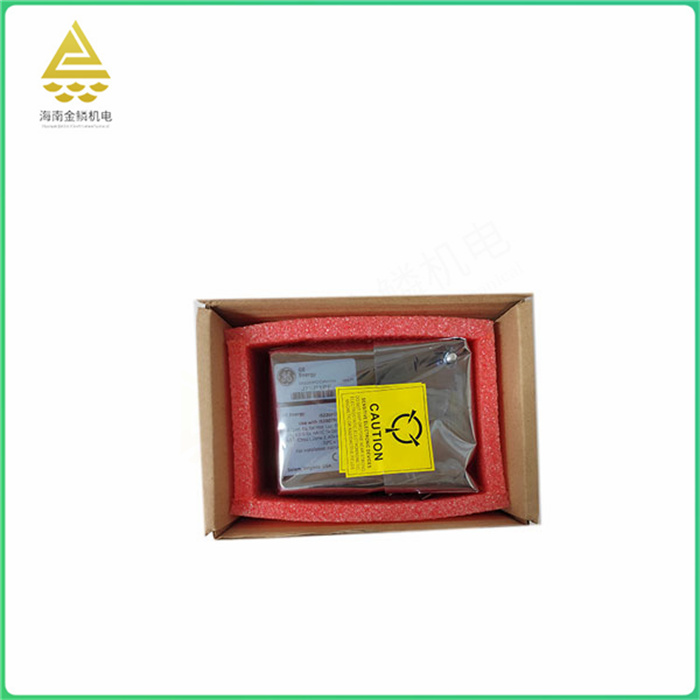
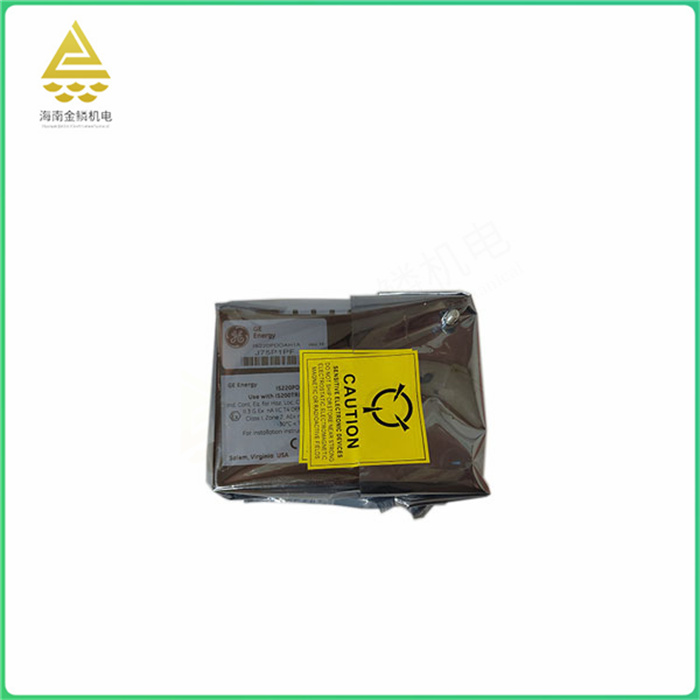
When using IS220PDOAH1A, you need to pay attention to some specific operation specifications and precautions. For example, the equipment should be carefully checked for damage, and if damage is found, it should be replaced in time; If a module is not properly heated after installation, the operation of other modules on the backplane may be interrupted. For analog channel connections, it is recommended to use a twisted pair, if possible, the cable should be grounded on the source device; If you need to add connections, you can add a secondary I/O terminal block to the middle terminal.
In summary, the IS220PDOAH1A is a dedicated circuit board assembly for the input and output of discrete signals in a gas turbine control system. It has the advantages of high-density input, programmable delay, electrical isolation, etc., which can meet the needs of different systems.
The function of the discrete output component is mainly to convert the data stored in the processor into analog signals and pass them to the output device to realize the control or monitoring of the physical world.
Specifically, a discrete output component can convert a binary number stored in memory into an analog signal and pass that signal to a discrete output module terminal connected to an output device. For example, when a processor stores a binary number "1" at a specific address in memory, the signal is read by a discrete output component and converted into an analog signal to drive an output device such as a solenoid valve connected to the output device.
Discrete output components usually have the advantages of high reliability, fast response, programmable logic function, easy maintenance and debugging, and can be widely used in various industrial automation control systems.
The advantages of discrete output components include:
High reliability: Discrete output components are usually designed with industrial standards, with high stability and reliability, and can ensure long-term normal operation.
Fast response: The discrete output component has the ability to respond quickly, and can process and transmit signals in time to ensure the real-time and accuracy of the system.
Programmable logic functions: Discrete output components have programmable logic functions that can be programmed according to different control and monitoring tasks for more flexible and efficient control.
Easy to maintain and debug: Discrete output components have a modular design for easy removal and replacement of components, as well as easy debugging and troubleshooting.
Multiple input/output interfaces: Discrete output components have a variety of input/output interfaces, which can be used with different devices to meet the needs of different systems.
Wide operating temperature range: Discrete output components have a wide operating temperature range and can operate normally under different environments and conditions.
Wide power supply voltage range: Discrete output components have a wide power supply voltage range and can operate normally under different power conditions.
Flexible connection mode: The discrete output component has a flexible connection mode, which can be connected with the control system through different interfaces to achieve different control and monitoring functions.
High precision: Discrete output components have high precision and resolution, enabling more accurate measurement and control of the system's parameters.
In short, the discrete output component has the advantages of high reliability, fast response, programmable logic function, easy maintenance and debugging, a variety of input and output interfaces, wide operating temperature range, wide power supply voltage range and flexible connection mode, and can be widely used in various industrial automation control systems.
Discrete output components can be used in a variety of industrial automation control systems that need to control or monitor the physical world.
Specific application scenarios include:
Factory automation production line control: Discrete output components can be used to control various equipment such as motors, pumps, valves, etc., to achieve automated production.
Energy management: Discrete output components can be used to collect various energy parameters such as electricity, water pressure, gas, etc., and manage and optimize energy use through the control system to reduce energy consumption.
Process control: In chemical, pharmaceutical and other fields, discrete output components can be used to collect various chemical reaction parameters such as temperature, pressure, liquid level, etc., and control various equipment such as heaters, agitators, valves, etc., to achieve automatic control of chemical reaction processes.
Robot control: In a robot control system, discrete output components can be used to control various actions such as walking, grasping, rotating, etc.
Medical equipment control: In medical equipment, discrete output components can be used to collect the patient's physiological signals such as blood pressure, ECG, blood oxygen, etc., and precisely control and monitor the medical equipment through the control system.
In short, discrete output components have a wide range of applications in a variety of industrial automation control systems that need to control or monitor the physical world.


