The IS220PPROS1B is an embedded controller module manufactured and designed by General Electric for use in the GE distributed turbine control system. It has a variety of functions, including discrete input/output signal interface and feedback signal processing, as well as gas turbine monitoring and control. The IS220PPROS1B has a plug-and-play feature that automatically identifies the power of the connected distribution model by using the electronic id it is inserted into to determine the power of the connected distribution model.
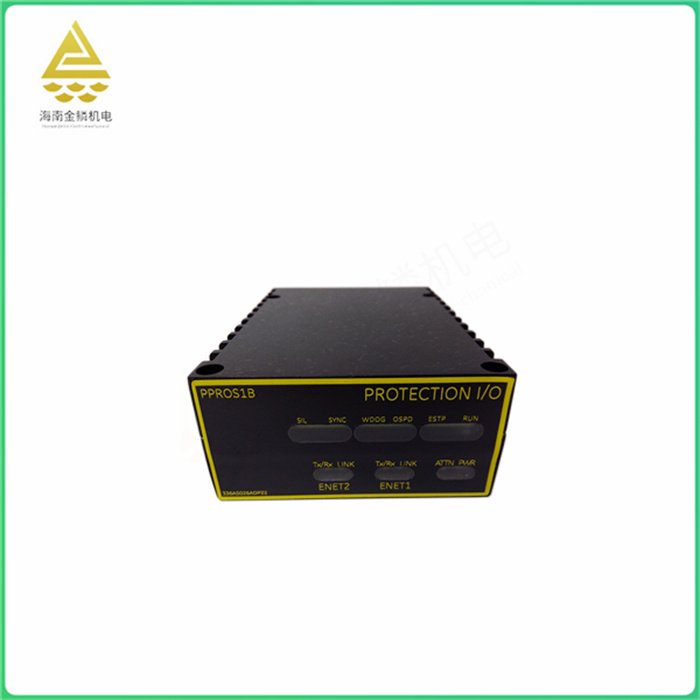
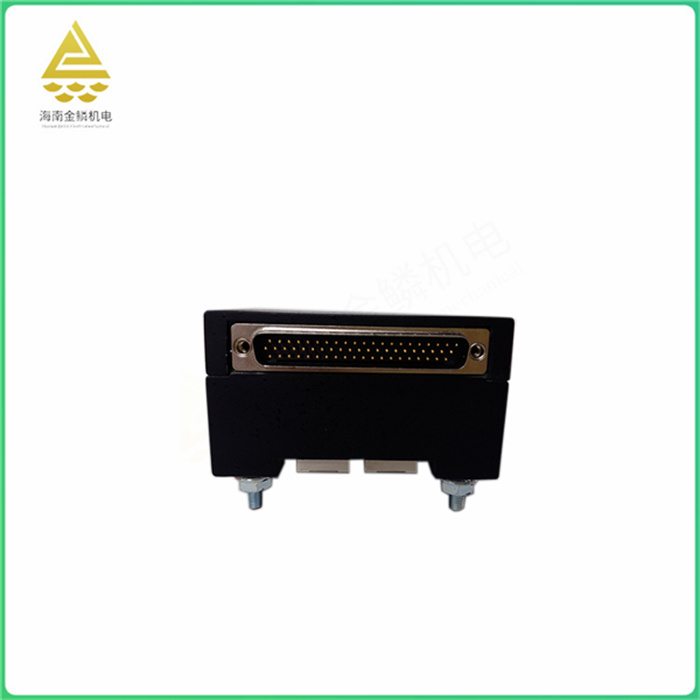
The embedded controller module has the following functions:
Real-time control: can quickly respond to external input signals, and real-time control operations. According to the predetermined algorithm and strategy, the sensor data is analyzed and processed, and the corresponding control actions are performed through the output interface.
Resource management: Responsible for managing the resources of the system, including processors, memory, and input/output interfaces. These resources need to be allocated and utilized reasonably to meet the needs of the system and ensure the accurate and stable control tasks.
Communication and interaction: Can communicate and interact with other devices to achieve networking and remote control functions. Through various communication interfaces, such as Ethernet, serial port, wireless network, etc., to exchange data and transfer information with external devices or systems.
In the field of industrial automation, embedded controllers are widely used in various equipment, such as motors, pumps, valves, etc., to achieve automated production. In addition, they are used in energy management, process control, robot control, and medical device control.
The advantages of embedded controller module mainly include:
The highly integrated and compact design reduces space footprint and is suitable for installation and use in limited Spaces.
Optimized for specific application scenarios, it has high reliability and stability, and can meet the strict requirements of industrial control and other fields.
Easy to use and maintain, it can often be connected and configured through a simple interface, while providing a wealth of software support and development tools.
It has a long service life and low energy consumption, which can save energy and maintenance costs.
Adapt to a variety of different working environment conditions, including high temperature, low temperature, strong magnetic and other extreme environment, with good adaptability and reliability.
In short, the advantages of embedded controller modules are their high integration, compact design, high reliability and stability, ease of use and maintenance, low energy consumption, and the ability to adapt to various working environments. These advantages make embedded controllers widely used in industrial automation, medical equipment, energy management and other fields.
The application scenarios of embedded controller modules are very wide, including but not limited to the following aspects:
Industrial automation production line control: In industrial automation production lines, embedded controllers can be used to control various equipment such as motors, pumps, valves, etc., to achieve automated production. They can collect sensor data, control according to preset algorithms and strategies, and perform corresponding control actions through the output interface.
Energy Management: Embedded controllers can be used in the field of energy management, such as energy monitoring and management in smart homes. They can collect various energy data, such as electricity, water pressure, gas, etc., and manage and optimize energy use through control systems to reduce energy consumption.
Process control: In chemical, pharmaceutical and other fields, embedded controllers can be used to collect various chemical reaction parameters such as temperature, pressure, liquid level, etc., and control various equipment such as heaters, agitators, valves, etc., to achieve automatic control of chemical reaction processes.
Robot control: The embedded controller can be used in the robot control system to control various actions such as walking, grasping, rotating, etc. They can collect sensor data, control according to preset algorithms and strategies, and perform corresponding control actions through the output interface.
Medical equipment control: The embedded controller can be used in medical equipment, which can collect the patient's physiological signals such as blood pressure, ECG, blood oxygen, etc., and accurately control and monitor the medical equipment through the control system.
In short, embedded controller modules have a wide range of application scenarios, including but not limited to industrial automation production line control, energy management, process control, robot control, and medical equipment control. They provide efficient, reliable and intelligent control solutions for these areas.


