The IS410STAIS2A is a programmable automation controller (PAC) offered by GE's Intelligent Platforms division. This controller belongs to the IS family and is designed for medium to large automation systems to meet complex control, monitoring and data acquisition (SCADA) needs.
Here are some possible advantages of IS410STAIS2A:
High performance: The IS410STAIS2A provides powerful processing power to quickly execute complex control algorithms and supports real-time operations.
Flexibility: It supports a variety of programming languages (such as C++, Structured Text, Graphical), allowing engineers to choose the programming language that is most familiar or best suited to the needs of the project.
Scalability: IS series controllers support modular design, and can easily add I/O modules, communication modules, etc., to meet the needs of system expansion.
Communication capabilities: The IS410STAIS2A provides a variety of communication interfaces and protocols (such as EtherNet/IP, Profinet, Modbus TCP/IP, etc.) that can be easily integrated with other devices and systems.
Reliability: GE as a company with a long history, its products enjoy a good reputation in the industry, IS410STAIS2A should also inherit the high reliability of GE products.
Support and Service: Customers who purchase the IS410STAIS2A can benefit from GE's technical support and after-sales service.
Regarding the disadvantages of IS410STAIS2A, there may be the following:
Cost: As a mid-to-high-end PAC product, the price of IS410STAIS2A may be higher, which may pose some economic pressure for projects with limited budgets.
Technical threshold: While IS410STAIS2A offers a variety of programming languages and communication options, technical knowledge and experience may be required to use these advanced features.
Learning curve: It may take some time for new users to become familiar with the software interface, programming environment, and configuration process of IS410STAIS2A.
Compatibility: Although the IS410STAIS2A supports a variety of communication protocols, additional configurations or adapters may still be required when communicating with some specific devices or systems.
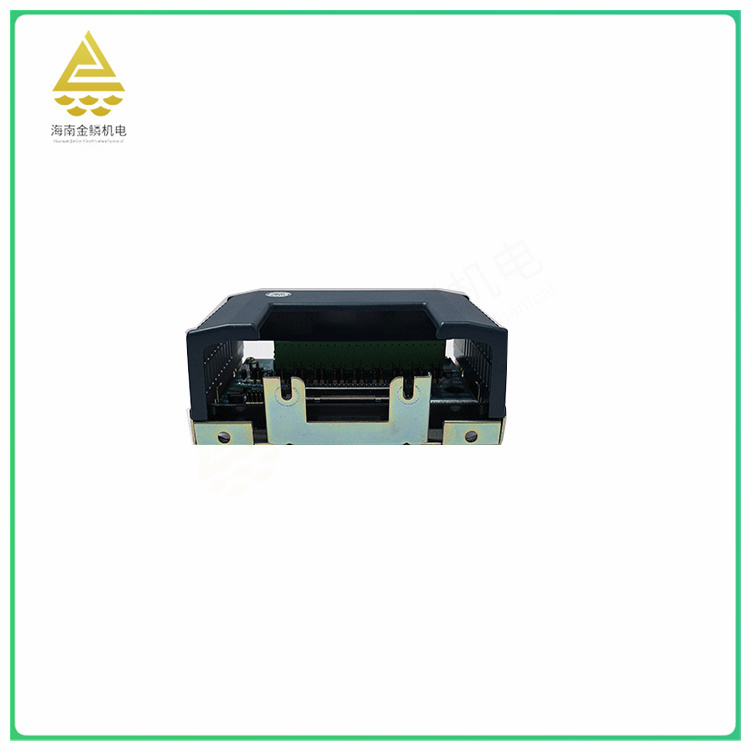
The IS 410STAIS2A is a programmable automation controller (PAC) from General Electric designed for medium to large automation systems. Here are some of the pros and cons of IS 410STAIS2A:
Advantages:
High performance and computing power: The IS 410STAIS2A provides powerful processing power and high speed for complex control algorithms and data processing tasks.
Flexibility and programmability: Support for multiple programming languages (e.g. C++, Structured Text, Graphical), allowing users to choose the most appropriate programming language for their project needs.
Modular design: IS 410STAIS2A adopts modular design, which is convenient for users to add or expand I/O modules and communication modules according to actual needs, and improve the scalability of the system.
Communication and integration capabilities: Supports a variety of communication protocols (such as EtherNet/IP, Profinet, Modbus TCP/IP, etc.), making it easy to integrate and communicate with other devices, systems and networks.
Reliability and stability: As a GE product, IS 410STAIS2A inherits GE's excellent reputation in the field of industrial automation with a high degree of reliability and stability.
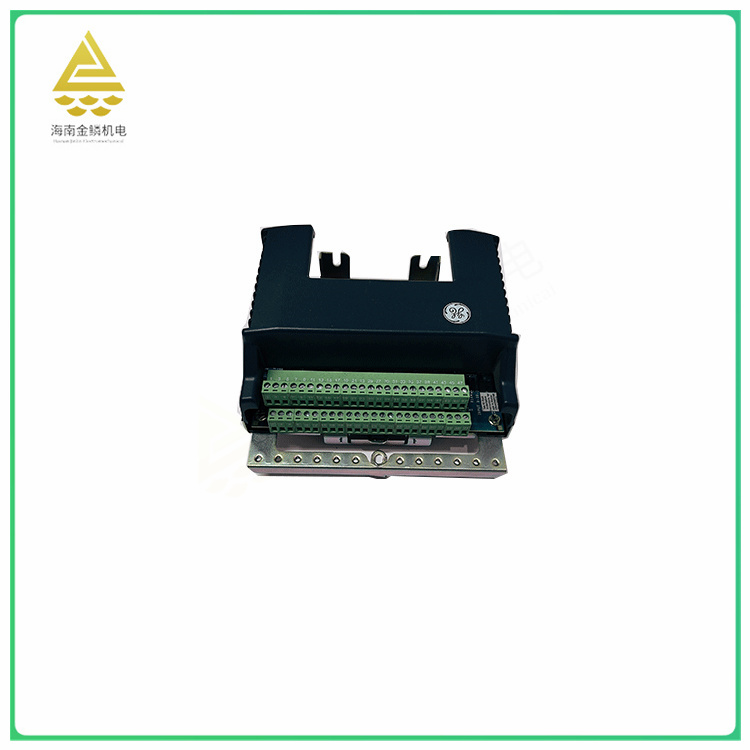
Technical support and after-sales service: GE provides comprehensive technical support and after-sales service to help customers solve problems encountered during use.
Cons:
Higher cost: IS 410STAIS2A as a mid-to-high end PAC product, the price may be higher, which may pose a certain economic pressure for projects with limited budgets.
Technical threshold: While a variety of programming languages and communication options are available, using these advanced features requires some technical knowledge and experience, and there may be a learning curve for beginners.
Software complexity: The software interface and programming environment of IS 410STAIS2A can be relatively complex and take some time to get familiar with and master.
Compatibility issues: While multiple communication protocols are supported, additional configurations or adapters may still be required when communicating with some specific devices or systems, and compatibility issues may exist.


