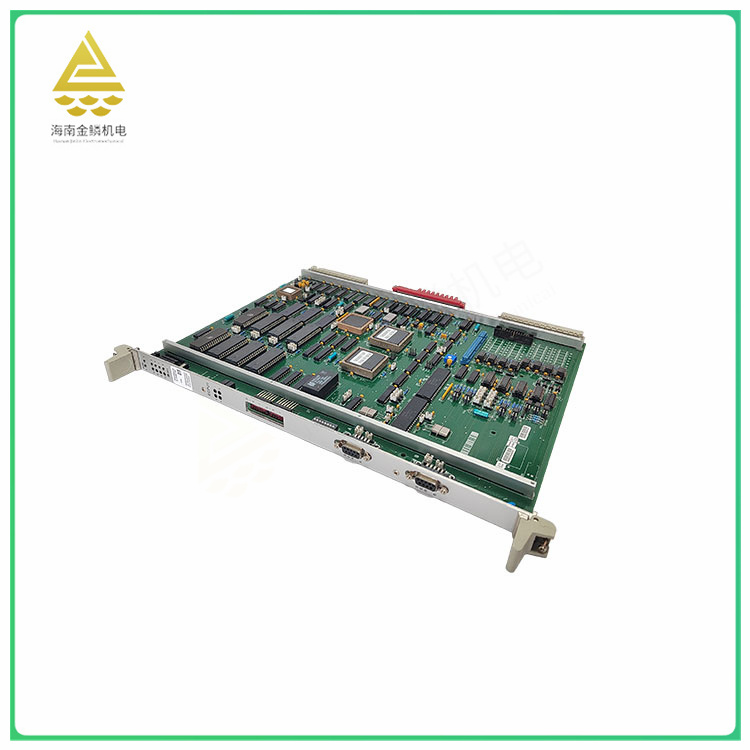
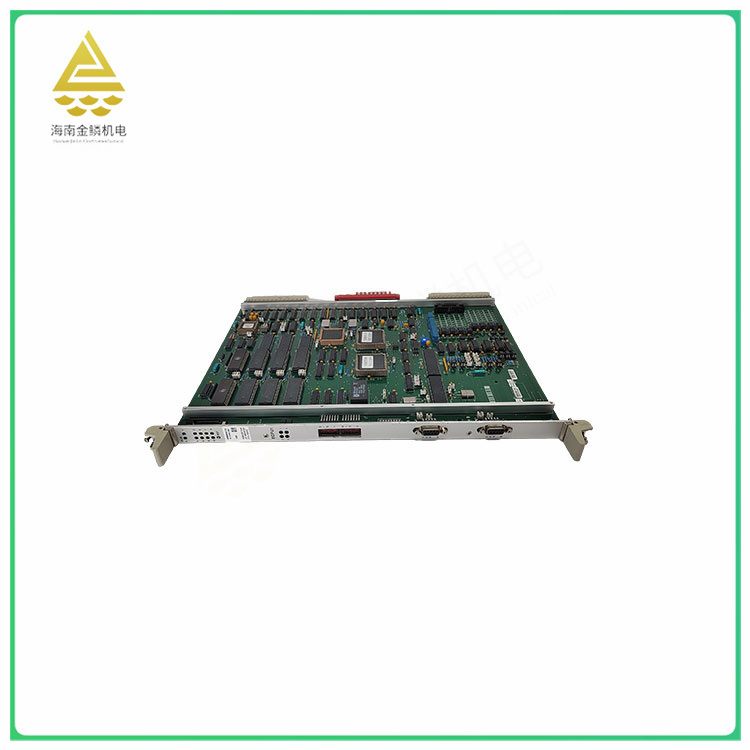
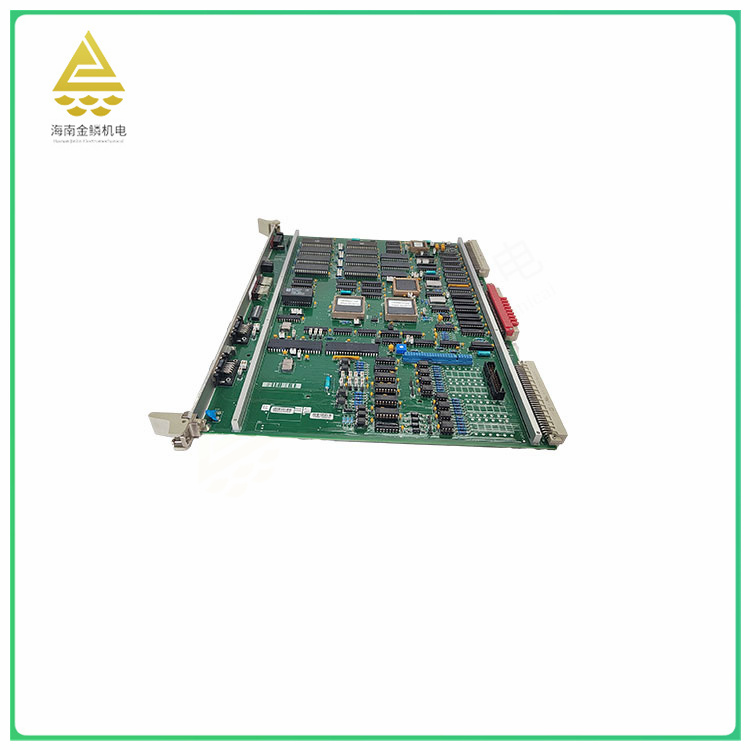
N895600512D-N895600051C-ECPU_1-N895600200Q is an identifier of a hardware component. The specific application field needs to be determined based on the context and relevant documents. However, depending on the composition of this identifier and common naming conventions, some possible scenarios can be provided:
Industrial Automation: This identifier may be used for controllers or processors in an industrial automation control system. In manufacturing, process control, robotics and other fields, such hardware components may be used for real-time control, data acquisition and processing.
Traffic system: Since this identifier contains some specific combination of numbers and letters, it may also be associated with traffic control or signaling systems. For example, in the field of rail traffic and urban rail transit, such hardware components may be used in train control systems, signal processing or monitoring systems.
Power systems: N895600512D-N895600051C-ECPU_1-N895600200Q may also be used in monitoring and control systems in power systems. It can be used to monitor the state of the power grid, control power generation equipment or protect the power system from failure.
It should be noted that the above is only a guess based on the composition of the identifier, and the specific application field needs to be determined in combination with the actual situation and relevant information.
The advantages and disadvantages of N895600512D-N895600051C-ECPU_1-N895600200Q are as follows:
Advantages:
Efficient performance: This hardware component has efficient processing and computing power to quickly perform control algorithms and data processing tasks.
Modular design: The modular design is easy to customize and expand according to needs, improving the flexibility and maintainability of the system.
Reliability and stability: After rigorous quality control and testing, this component has a high level of reliability and stability, reducing the risk of failure and downtime.
Easy integration: It has good compatibility with other devices and systems, convenient integration and integration, reducing the complexity and cost of the overall system.
Cons:
High cost: Due to the advanced technology and materials that may be used in this component, its cost may be relatively high, increasing the cost pressure on the entire system.
Maintenance difficulties: Due to its complex internal structure and advanced features, there may be some maintenance and debugging difficulties for users who are not familiar with the component.
High requirements on the environment: This component may have high requirements on environmental conditions, such as temperature and humidity, and requires specific environmental conditions to run properly.


