The PC104-DPIO-DRL-DPM-BKF is an industrial-grade computer module manufactured by BRAD COMMUNICATIONS. Based on the PC104 bus standard, this product features dual-channel digital I/O cards and is particularly suitable for industrial automation and process control applications.
Specifically, the module has two independent digital input/output channels that can support multiple I/O configurations, making it ideal for a variety of industrial automation and process control applications that require fast and accurate digital signal transmission, such as control robots, automated production lines, data acquisition systems, test equipment, and more.
In addition, due to the industrial grade design, this module has a high degree of stability and reliability, and can operate stably in a variety of harsh industrial environments, ensuring the continuity and safety of industrial automation systems.
Overall, the PC104-DPIO-DRL-DPM-BKF is a powerful and stable industrial-grade computer module that can meet the diverse needs of industrial automation and process control.
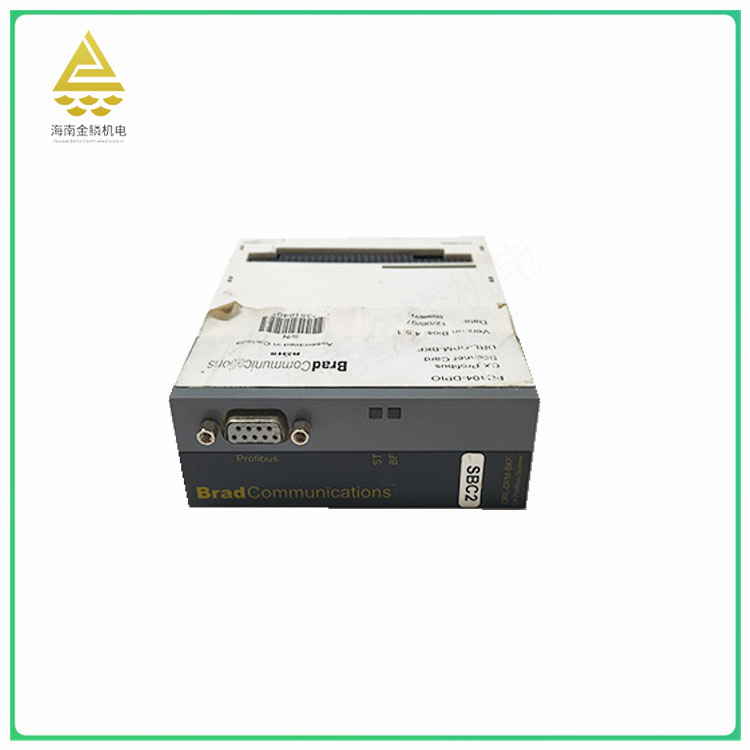 The PC104-DPIO-DRL-DPM-BKF industrial grade computer module presents its unique advantages in industrial automation and process control applications, but also has some possible shortcomings. Here is a detailed analysis of its advantages and disadvantages:
Advantages:
Industrial design: The module adopts industrial design, has a high degree of stability and reliability, and can operate stably in a variety of harsh industrial environments to ensure the continuity and safety of the automation system.
Dual channel Digital I/O capability: Two independent digital input/output channels support multiple I/O configurations, enabling the module to meet the needs of a wide range of industrial automation and process control applications.
Strong compatibility: Because it is based on the PC104 bus standard, the module can be easily integrated with various industrial automation systems for rapid deployment and expansion.
Easy maintenance: The module design is simple, easy to maintain and replace, reducing maintenance costs and time.
High cost performance: Compared with similar products, the module may have a higher cost performance and can meet the needs of the majority of users.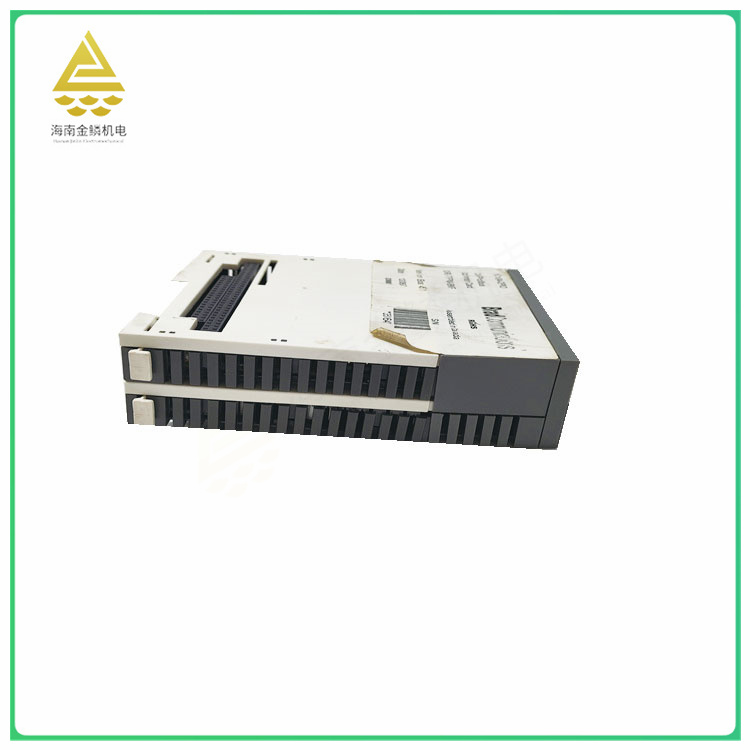
Cons:
Functional limitations: Although the module has dual-channel digital I/O capabilities, for some complex application scenarios, more types of interfaces or more advanced functions may be required.
Lack of customization: For specific industries or specific applications, customized solutions may be required, and the module may not fully meet these customized needs.
Speed of technological update: With the rapid development of industrial automation technology, the module may face the pressure of technological upgrading and need to keep up with new technologies to remain competitive.


