PDD200A101 High frequency voltage module is a circuit module or device that can generate, amplify or process high frequency voltage signals.
It is commonly used in applications where high-frequency signals need to be processed, such as radio communications, radar systems, RF power amplifiers, high-frequency test equipment, etc.
The PDD200A101 High frequency voltage module features include:
High frequency operating range: Capable of processing voltage signals with higher frequencies, usually in the range of several hundred kilohertz to several gigahertz.
PDD200A101 High bandwidth: has a high bandwidth, can quickly respond to and process high-frequency signal changes.
PDD200A101 Low noise: noise reduction measures are taken in the design to reduce noise interference to high frequency signals.
High efficiency: PDD200A101 can maintain high efficiency when processing high frequency signals to reduce energy loss.
Miniaturization: The PDD200A101 typically uses integrated circuit technology to achieve compact size and lightweight design.
Stability: It has good stability and reliability, and can work normally under harsh environmental conditions.
High frequency voltage module is widely used in wireless communication, radar, satellite communication, medical equipment, test and measurement and other fields. Specific HF voltage module types and functions will vary according to application requirements.
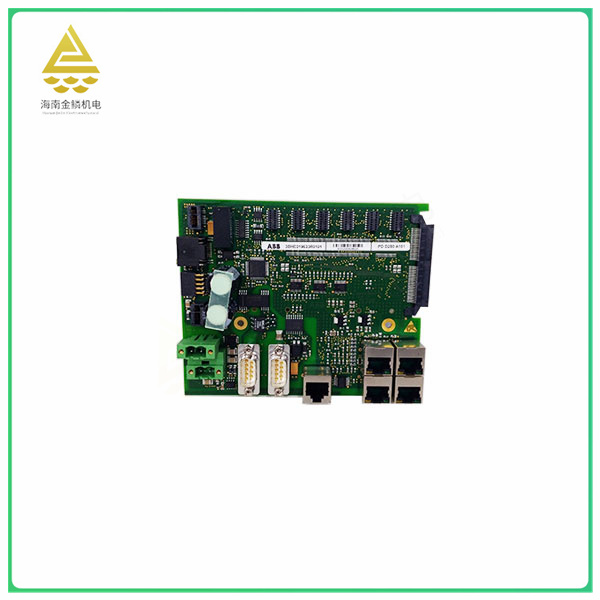
The specific advantages and disadvantages of PDD200A101 will vary depending on the application and environment. But in general, industrial automation equipment usually has the following advantages:
Improve production efficiency: PDD200A101, as an industrial automation equipment, can automate production tasks and reduce manual intervention, thereby greatly improving production efficiency.
Cost reduction: By automating production, labor costs can be reduced while improving product quality and consistency and reducing production costs.
High accuracy: Automation equipment usually has high precision positioning and execution capabilities, enabling more precise production control.
High reliability: Compared with manual operation, automated equipment can reduce human errors and accidents and improve the reliability and safety of the production process.
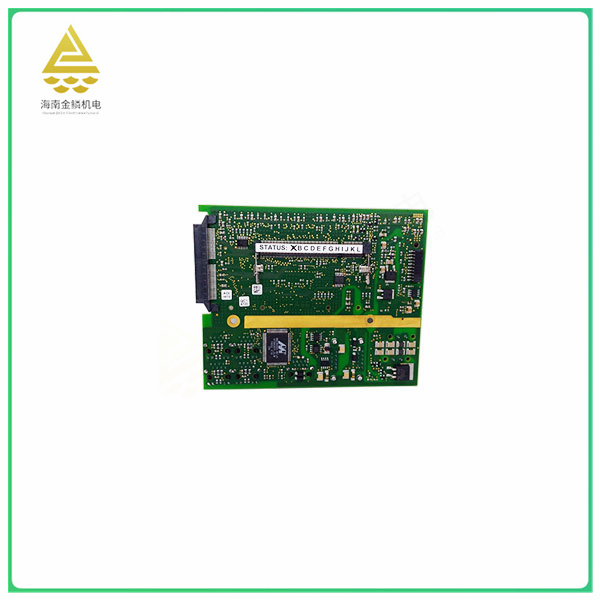
However, the PDD200A101 also has some disadvantages:
High initial investment: Industrial automation equipment is usually expensive and may require a large initial investment for small businesses.
Technical support needs: Automation equipment needs professional technical support and maintenance to ensure its normal operation and use effect.
Training needs: Operating and maintaining industrial automation equipment requires certain professional skills and knowledge, and therefore requires corresponding training and skill upgrading.
Overall, the pros and cons of PDD200A101 need to be evaluated based on specific application scenarios and requirements. For scenarios that take full advantage of its automation, efficiency, and reliability, using the PDD200A101 can bring significant benefits. For the needs of investment costs, technical support, training and other aspects, we need to make full preparation and planning.


