PFEA112-65_3BSE050091R65 is a tension control system mainly used in the field of industrial automation to measure and monitor the tension or pressure of materials. This system can help ensure that the material remains constant and evenly distributed throughout the length of the production process and automatically adjusts the equipment to maintain the required force level. When insufficient or excessive force is detected, the device automatically adjusts to maintain product quality stability. In addition, it provides real-time data feedback to the operator in order to react to the operating status of the line and optimize the process parameter Settings.
The PFEA112-65_3BSE050091R65 Tension controller is a device for controlling tension, which can adjust the torque as required to control the amount of tension. The tension controller can be used as follows:
Connect the power cable: Connect the LN. The ground cable can be connected or not.
Connect the external signal line: Connect the 0-10 volt external wire GN and the 24th volt magnetic powder wire, and the magnetic powder wire is not positive or negative.
PFEA112-65_3BSE050091R65 On switch: After connecting the power cable and signal cable, turn on the switch key.
Adjusting torque: by knob control, adjust the appropriate torque as required.
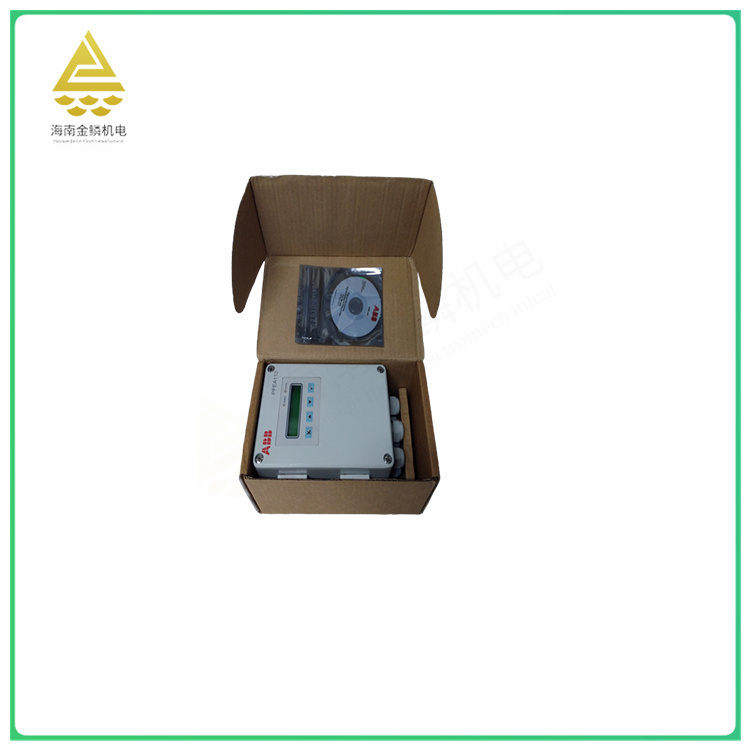
Switching mode: PFEA112-65_3BSE050091R65 If you find that the torque is not easy to adjust during debugging, you can hold down the selection key and hold down for 3 seconds to switch to the constant current, constant voltage or constant power mode.
Use the external power supply: PFEA112-65_3BSE050091R65 Press the select button again to make the tension controller blink, then use the external power supply.
Lock tension: PFEA112-65_3BSE050091R65 After adjusting the tension, press the lock key to lock the tension. Press the unlock button again to unlock and continue adjusting the tension.
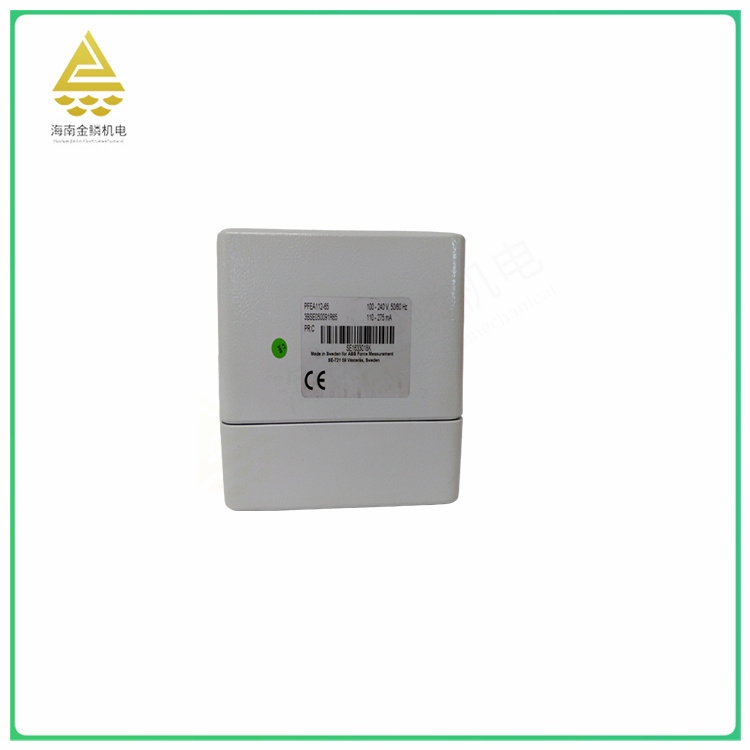
PFEA112-65_3BSE050091R65 is a tension controller commonly used to control the tension of coils or strips to ensure that they maintain constant tension during production or processing. This controller is widely used in various industrial applications such as printing, coating, stretching, packaging, paper and fiber industries.
Its functional features are as follows:
High channel density: Provides high channel density, typically supporting 16 or more analog input channels to meet multi-channel signal acquisition and measurement requirements.
High-speed sampling rate: Supports high-speed sampling rate with fast data acquisition capability to capture and analyze high frequency and rapidly changing analog signals.
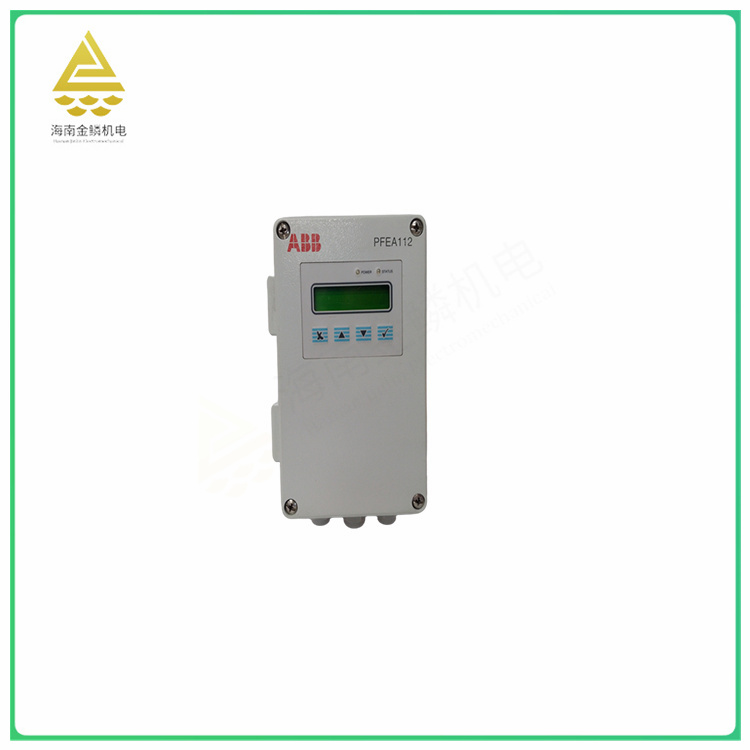
High precision and low noise: With high precision analog conversion and low noise characteristics, it can provide accurate analog signal acquisition and measurement results.
Wide input range: Support a wide input range, including voltage, current, temperature and other analog input types, to meet the measurement needs of different signal sources.
Multiple connection interfaces: Multiple connection interface options, such as BNC, sockets, etc., are available to connect to other devices and sensors.
Flexible trigger and synchronization: It has flexible trigger and synchronization functions, which can be triggered and synchronized by software or external trigger sources to meet complex application requirements.


