The PQM-T20-C-A is a programmable controller commonly used in industrial automation control systems. It has a variety of functions and features, and here are some possible introductions:
First of all, the PQM-T20-C-A works in a scanning mode, which can scan and update the status of the input and output signals one by one, so that the sampling speed of each sampling point is consistent. This mode of operation helps to improve the stability and reliability of the control system.
Secondly, PQM-T20-C-A can work according to the instructions of the user program, and can realize various functions such as logic operations, arithmetic operations and sequence control. Users can define the logical relationship between input and output signals through programming to realize the control of various devices and processes.
In addition, PQM-T20-C-A also has the characteristics of decentralized control. This means that it can be dispersed in different locations on industrial sites, enabling distributed control of individual devices. This decentralized control method helps improve the scalability and flexibility of the system, and facilitates the separate control and monitoring of different devices.
In terms of memory capacity, the PQM-T20-C-A usually has a large storage capacity and can store a large number of user programs and data. This helps to ensure the stable operation of the system, and it is convenient for users to modify and maintain the program.
Finally, PQM-T20-C-A also has a variety of communication interfaces, such as serial communication interface and Ethernet interface, to facilitate communication and data exchange with other devices and systems. This helps to achieve centralized control and monitoring, improve the integration and intelligence of the system.
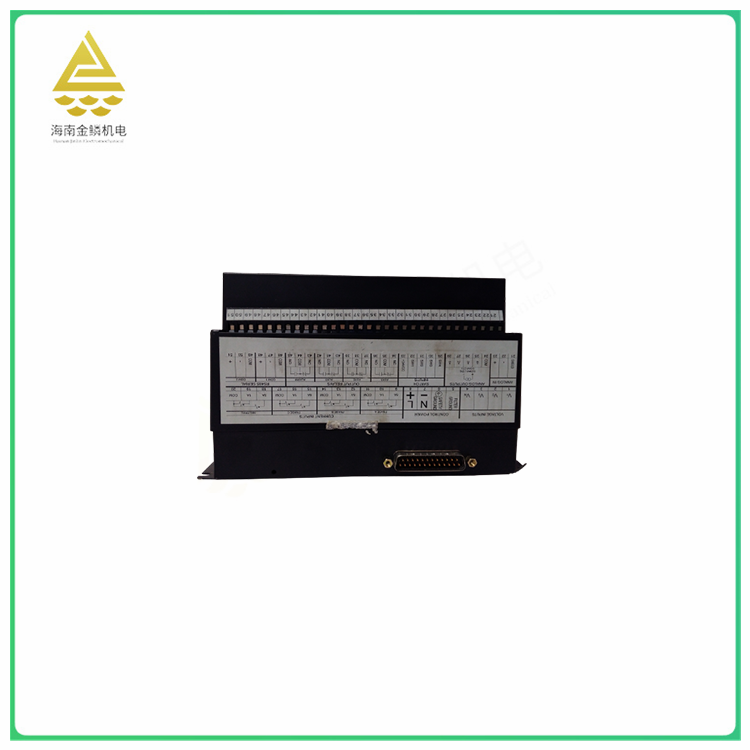
PQM-T20-C-A as a programmable controller, has a variety of advantages and features, the following are some possible introduction:
Advantages:
High precision measurement: PQM-T20-C-A adopts advanced measurement technology to accurately measure power quality parameters such as voltage, current, frequency and power factor of the power system.
Multi-network support: PQM-T20-C-A supports multiple network interfaces and can communicate with multiple control systems or devices to achieve data sharing and remote monitoring.
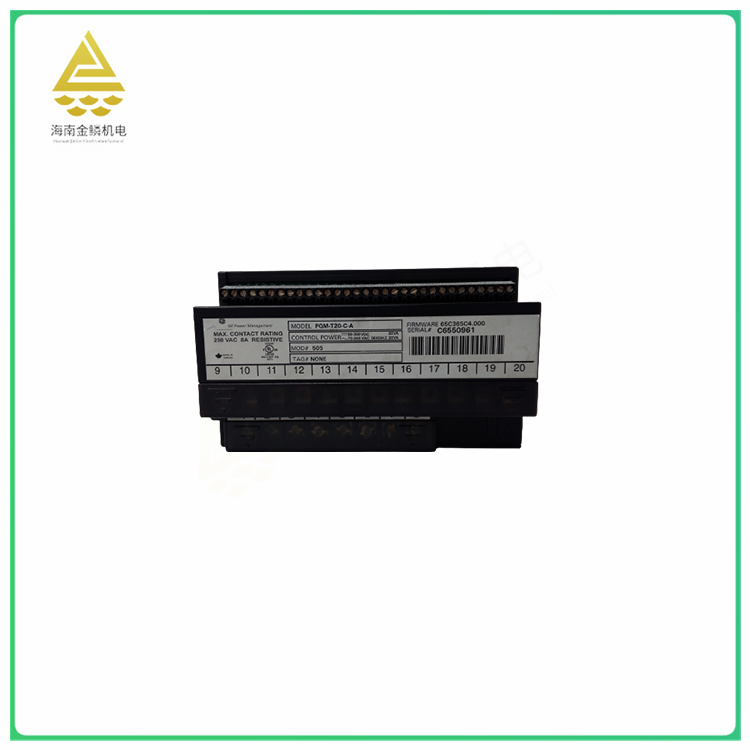
Easy to configure and use: The PQM-T20-C-A has a user-friendly interface that makes it easy for users to configure and operate the meter.
Support for various communication protocols: PQM-T20-C-A supports a variety of communication protocols, such as Modbus, Profibus, etc., and can communicate with a variety of different control systems and devices.
Good scalability: The design of PQM-T20-C-A takes into account scalability, which is convenient for users to upgrade and expand the system according to actual needs.
Cons:
Higher cost: Compared to some traditional controllers, the PQM-T20-C-A may cost more, which may increase the cost of the overall control system.
High maintenance requirements: PQM-T20-C-A requires professional maintenance and troubleshooting due to its complex functions, which may increase maintenance costs.
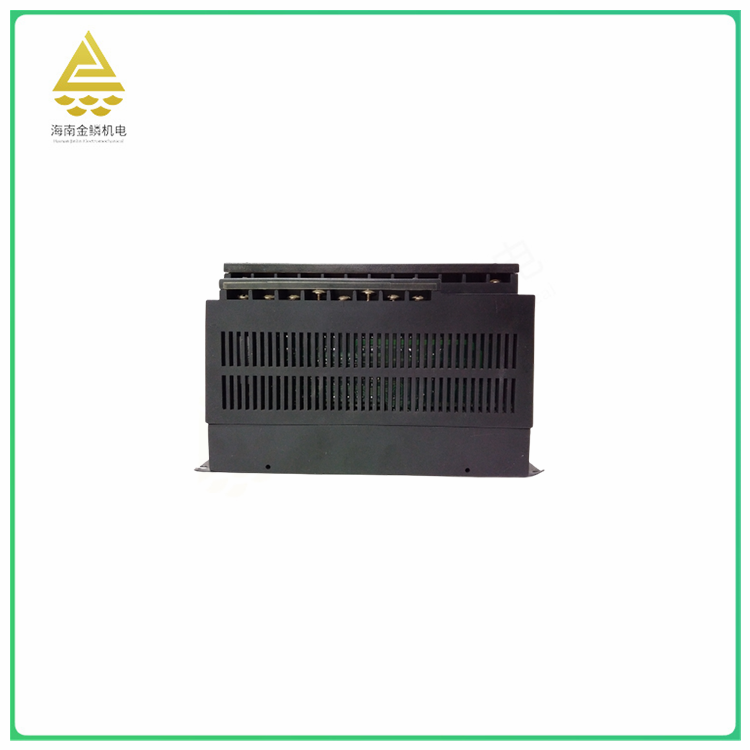
High environmental requirements: The PQM-T20-C-A needs to operate in a dry, dust-free environment to avoid being affected by moisture and dust, which may limit some industrial applications in harsh environments.
In general, PQM-T20-C-A as a programmable controller, has a variety of advantages and characteristics, suitable for a variety of industrial automation control applications. However, in practical applications, users need to make comprehensive considerations according to actual needs and budgets to choose the controller that is most suitable for them.


