ICS TRIPLEX T8310 Parameters:
Number of input channels: 32 digital input channels, each channel separately isolated, independent measurement and processing, improve the accuracy and stability of data acquisition.
Input voltage range: -75V to +75V (peak), or -50V to +50V (RMS) for different application scenarios and input signal ranges.
Input rate: up to 100,000 times/second, enabling high-speed, accurate data acquisition and processing.
Digital filter: Built-in digital filter, can filter out high-frequency noise and interference, improve the quality and accuracy of data acquisition.
Communication interface: supports a variety of communication protocols, such as Modbus RTU, DeviceNet, Profibus DP, etc., which can realize communication and data exchange with various automation systems.
Operating temperature range: -40°C to 70°C, suitable for harsh industrial environment and high temperature, low temperature and other special occasions.
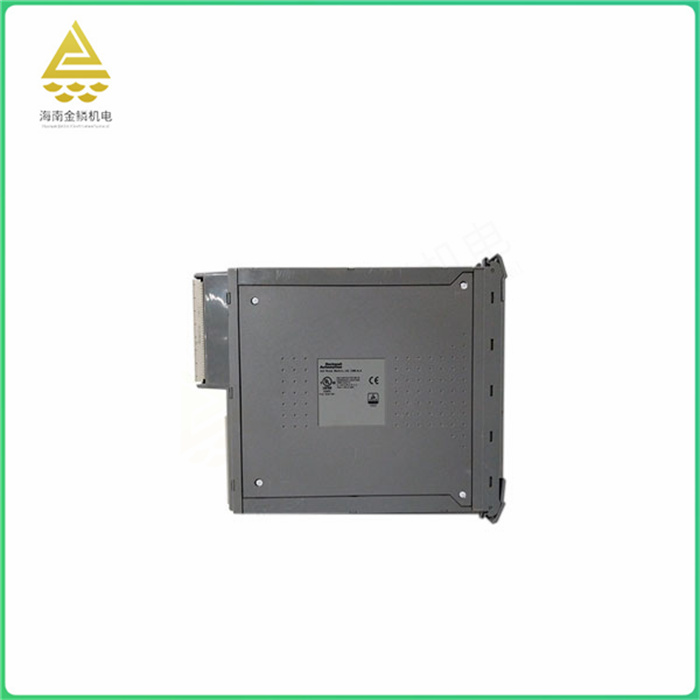
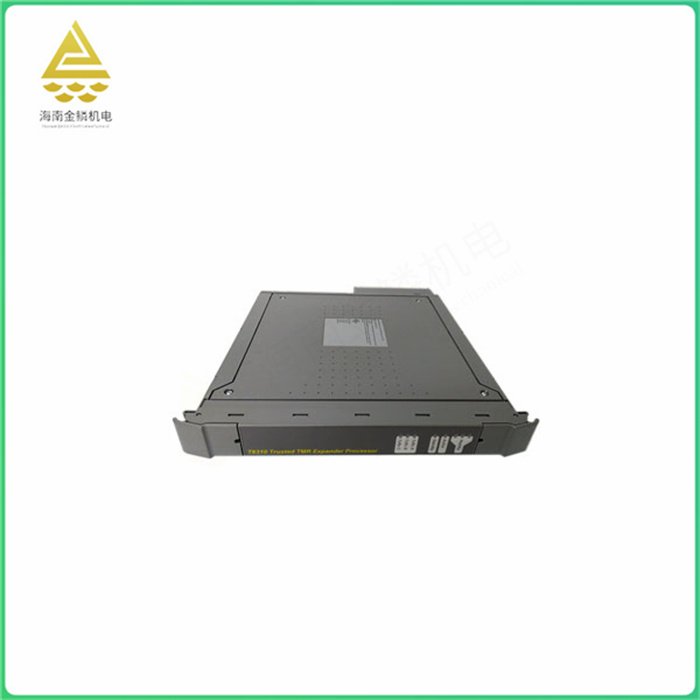
The T8310 TMR extender interface is an interface based on the HIFT TMR architecture for the connection between the extender bus, the module itself, and the extender. It has the following characteristics:
Provides a "slave" interface between the extender bus and the extender in the extender chassis for unshielded twisted pair (UTP) cable connections while maintaining high fault-tolerant bandwidth Intermodule bus (IMB) capability.
Failure containment ensures that the impact of potential failures is localized and system availability is maximized.
Provides fault tolerance with three-mode redundancy (TMR) operation.
Hardware implementation fault-tolerant (hft) architecture.
Provides dedicated hardware and software testing mechanisms for rapid fault identification and response.
With automatic fault handling function, no nuisance alarm.
Supports hot standby and module standby configurations, allowing automatic and manual repair policies.
Indicators with front panel showing module health and status.
In summary, the TMR extender interface is a highly reliable, usable and fault-tolerant interface for a variety of industrial application scenarios requiring high availability and stability.
The functions of the T8310 TMR extender interface include:
Extension Bus functionality: The TMR extender interface provides extension bus functionality to enable unshielded twisted pair (UTP) connection of multiple chassis systems, maintaining high fault tolerant intermodule bus (IMB) capability.
Fault Control features: The TMR extender interface has fault control features that ensure the impact of potential faults is local and maximizes system availability. It has comprehensive diagnostic, monitoring and test capabilities, providing rapid fault identification.
Hot backup and module Backup support: The TMR extender interface supports hot backup and module backup configurations, allowing automatic and manual repair policies to improve system reliability and availability.
Front panel display function: The front panel of the TMR extender interface has indicators to display the health and status of the module, which is convenient for users to know the status of the module in time.
Automatic and manual repair policies: The TMR extender interface supports automatic and manual repair policies, enabling users to repair the system in time when it fails, improving the availability and stability of the system.
High availability and stability: The TMR extender interface has high availability and high stability, and can work stably under harsh industrial environmental conditions to ensure long-term reliability.
In summary, the TMR extender interface features expansion bus functionality, fault control, hot spare and module backup support, front panel display, and automatic and manual repair strategies for a variety of industrial application scenarios requiring high availability and stability.
The benefits of the T8310 Trusted TMR extender interface include:
High reliability: Using the trusted TMR extended processor module with fault tolerance, comprehensive diagnosis, monitoring and testing provides rapid fault identification.
Hot backup and module backup support configuration: allows automatic and manual repair strategies to ensure that the impact of potential failures is localized and system availability is maximized.
The expansion bus enables unshielded twisted pair (UTP) connectivity of multiple chassis systems: maintains high fault tolerance and high bandwidth intermodule bus (IMB) capability.
Comprehensive diagnostics, monitoring and testing provide rapid fault identification.
Supports module hot backup and module standby configurations.
To sum up, the trusted TMR extender interface has the advantages of high reliability, hot backup and module backup support configuration, expansion bus for multiple chassis system unshielded twisted pair (UTP) connection, comprehensive diagnostic monitoring and testing to provide rapid fault identification.
The main uses of the T8310 Trusted TMR extender interface include:
Chassis expansion: Connect multiple chassis systems through the expansion bus to increase chassis availability and scalability.
High bandwidth connection: Supports high bandwidth intermodule bus (IMB) to achieve high-speed data transmission and processing to meet the needs of real-time control and big data applications.
Fault tolerance: With fault tolerance, through comprehensive diagnosis, monitoring and testing, quickly identify faults, improve system reliability and availability.
Hot backup and module backup: Supports hot backup and module backup configurations, and automatic or manual repair policies to ensure system stability and continuity.
Remote monitoring and debugging: Remote monitoring and debugging can be performed over the network to facilitate maintenance and troubleshooting.
In summary, the trusted TMR extender interface is mainly used for chassis expansion, high bandwidth connection, improving system reliability and availability, hot backup and module backup, and remote monitoring and debugging.


