Product parameters:
● Size: Standard width 57mm, 57mmx15m (can be customized according to demand)
● Material: thermal paper
● Temperature range: -20*C to 60°C
● Wear resistance: good
● Gloss: Ensure clear recording results
● Long-term stability: Record data can be stored for a long time
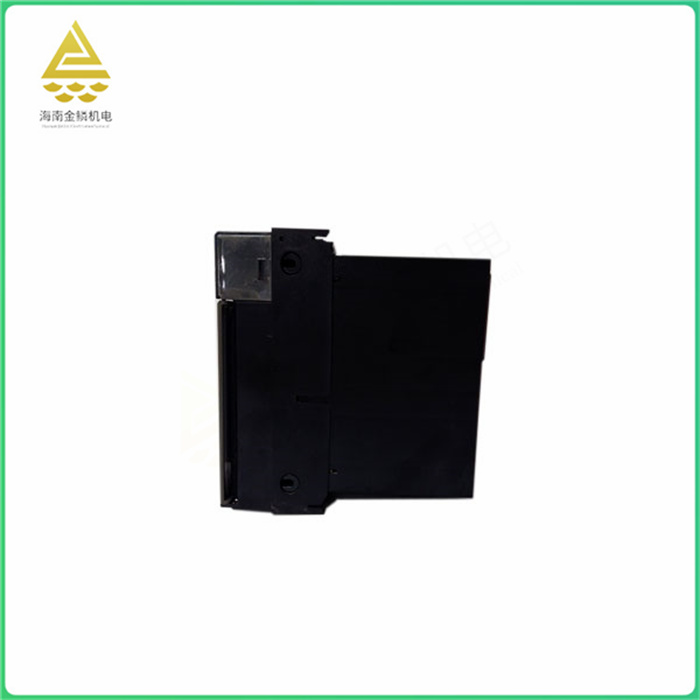
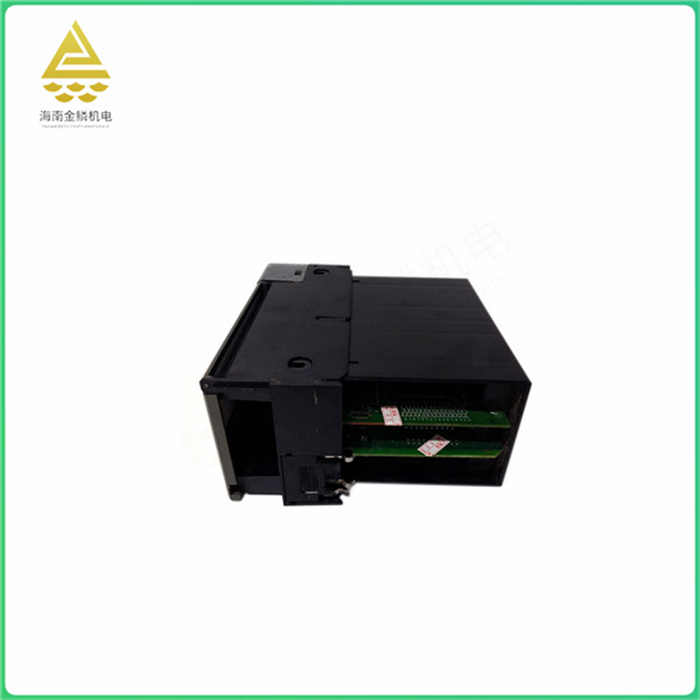
HONEYWELL TK-PRR021 51309288-275 Product Details:
Process control: This equipment may be used for process control, monitoring and management of variables and parameters in a process.
Communication interface: HONEYWELL TK-PRR021 51309288-275 control modules may support a variety of communication interfaces for data exchange and communication with other devices or systems.
Multi-channel input: There may be multiple input channels for monitoring and collecting different types of data.
Data acquisition: It may be possible to collect key data in the process such as temperature and excited flow.
Data display: May have a display or interface to display current data, status, or alarm information.
Data analysis: HONEYWELL TK-PRR021 51309288-275 control modules may have data analysis and processing capabilities to identify trends, anomalies, or alarms.
Alarms and notifications: It may be possible to issue alarms or notifications so that the operator can take appropriate action.
Programmability: May be able to perform a certain degree of programming to implement a specific control logic or automation task.
Remote Monitoring: The HONEYWELL TK-PRR021 51309288-275 control module may support remote monitoring and operation, enabling operators to access equipment data from remote locations.
Reliability: HONEYWELL's products are generally known for their high reliability and stability.
TK-PRR021 redundancy module is a technology used to improve transmission reliability and data integrity in communication systems. In the process of data transmission, there may be various interference and error codes, resulting in data transmission errors or loss. To solve this problem, redundant modules are introduced into the communication system.
The main function of TK-PRR021 redundancy module is to ensure the reliability of transmitted data by adding redundant information. Redundant information refers to some redundant bits or redundant code words added on the basis of the original data. This redundant information can be used to detect and correct errors that occur during transmission.
There are many ways to implement TK-PRR021 redundancy module, the common ones are parity check, cyclic redundancy check (CRC), Hamming code and so on. These methods make use of redundant information to detect and correct errors. For example, parity checks detect errors by adding a check bit to the data so that the number of 1s in the data is even or odd. CRC computes the data by generating polynomials to generate a check code for detecting and correcting errors.
In addition, redundant modules also have the characteristics of degraded use. When the system fails, redundant components can step in and take over the work of the faulty component, thereby reducing the system failure time. This modular redundancy method adopts a compound modular structure in the system composition, when a component fails, the structure can be automatically or manually reconstructed, and another component replaces the faulty component, the system is degraded and used, and the rest of the system still maintains normal operation except for the faulty component.
In general, redundant module is an effective technology to improve system reliability and data integrity, and is widely used in various communication systems.
The advantages of TK-PRR021 redundancy module include:
Improved reliability: The introduction of redundant modules can reduce the probability of system failure. When a major device fails, redundant devices automatically take over to ensure the normal running of the system and improve the reliability of the entire system.
Simplified design: By using redundant modules, the design process of the system can be simplified. Because redundant modules have been pre-designed and tested, the time and cost of system development and testing can be reduced.
Easy maintenance: Redundant modules are usually easy to maintain. When one module fails, redundant modules can be quickly replaced without the need to repair the entire system, thus improving the maintainability and maintainability of the system.
Improved performance: Redundant modules typically have higher performance and faster processing speed. When the system needs to process a large amount of data or perform complex tasks, the use of redundant modules can improve the processing power and response speed of the system.
Enhanced stability: Redundant modules can enhance system stability. When one module fails, other modules can continue to operate normally, thus ensuring the stability and continuity of the system.
In short, redundant module is an important technology to improve system reliability and stability, and is widely used in various fields, such as aerospace, medical equipment, military equipment and so on.
TK-PRR021 redundant modules are widely used in various scenarios requiring high reliability and continuous power supply. The following are some typical application scenarios of redundant modules:
Data centers: Data centers typically need to operate 24 hours a day to support a variety of online services and applications. Redundant modules ensure the reliability and stability of power supplies and components in a data center, preventing data loss or service interruption caused by power or component faults.
Medical equipment: Medical equipment requires a highly reliable and stable power supply to ensure the safety of patients' lives and the normal operation of medical equipment. Redundant modules can provide backup power or backup components in case of power failure or equipment failure, ensuring the continuous operation of medical devices.
Communication base stations: Communication base stations require an uninterrupted power supply to ensure the normal operation of the communication network. Redundant modules can provide backup power or backup components to ensure that the normal operation of the communication network can be quickly restored in the event of a power failure or device failure.
Industrial automation control: Industrial automation control requires a highly reliable and stable control system to ensure the stability and safety of the production process. Redundant modules can provide backup controllers or backup power supplies in case of controller failures or power failures to ensure the normal operation of the production process.
Aerospace: The aerospace sector requires highly reliable and stable power and control systems to ensure the safety and stability of flight. Redundant modules can provide backup power or backup controllers in case of power failure or controller failure, ensuring the safety and stability of the flight.
In short, redundant modules are widely used in various scenarios requiring high reliability and continuous power supply to ensure the stability and normal operation of the system.


