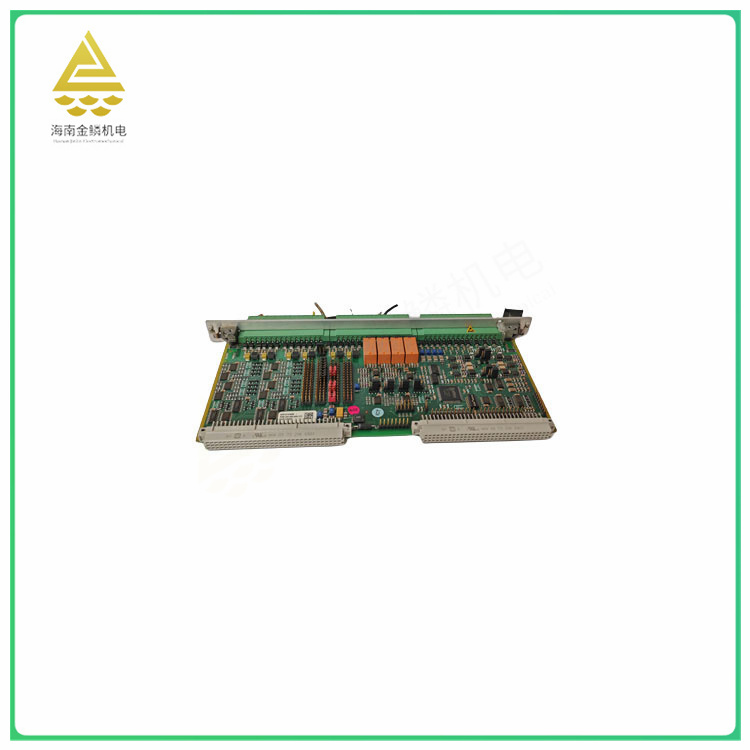
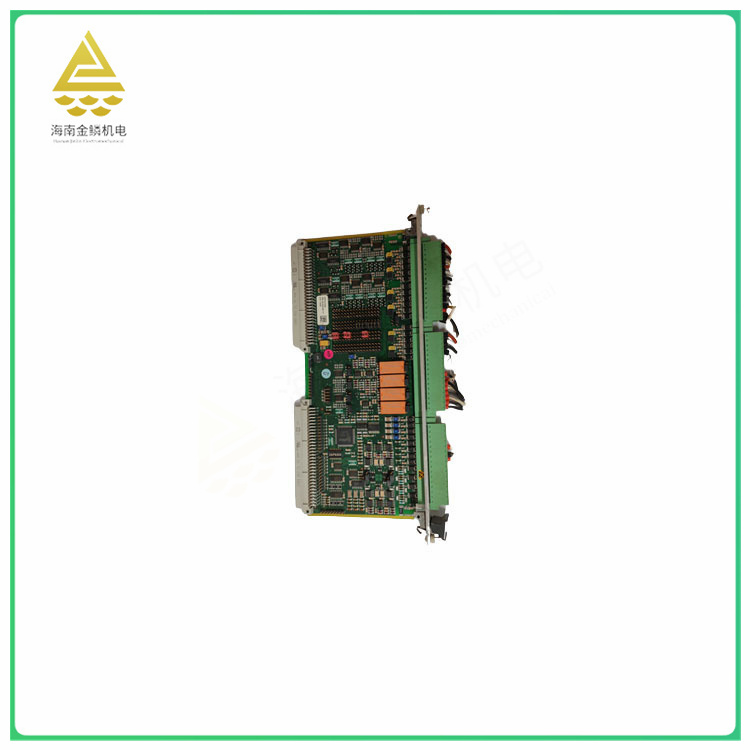
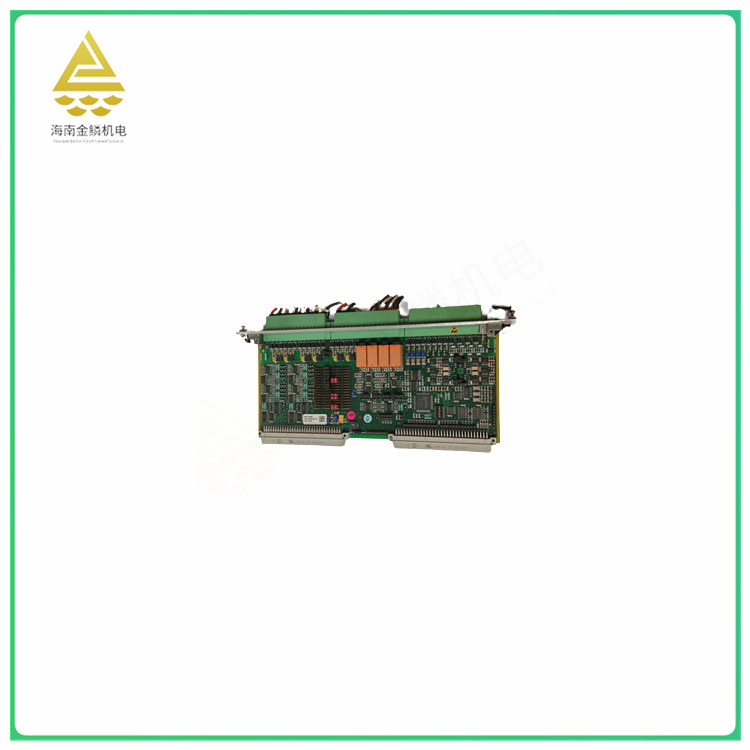
The input/output (interface) card for MPC4 or MPC4SIL cards supports 4 dynamic channels and 2 tachometer channels
Differential signal input and sensor power output for each dynamic channel and each tachometer channel
● Differential buffering (raw) sensor output for each dynamic channel
● The DC output of each dynamic channel can be configured as a current-based signal (4 to 20 mA) or a voltage-based signal (0 to 10 V)
● Four configurable relays, each with two contacts, and alarm reset (AR), hazard bypass (DB), and trip multiplier (TM) control inputs.
VM600-IOC4T-200-560-000-111-200-560-101-017 is a specific module model commonly associated with industrial vibration monitoring and control systems. Depending on the model name, it may be an input/output (I/O) module or interface module in the VM600 series to connect sensors, actuators, or other control devices. Here are some of the possible functions and features of this module:
Signal acquisition and processing: The module is able to collect signals from vibration sensors and process these signals to provide information about the vibration state of the machine. This is essential for monitoring the vibration levels of rotating machinery, reciprocating machinery and other industrial equipment.
Real-time data transmission: The VM600-IOC4T module may have real-time data transmission function, which can quickly and accurately transmit the collected vibration signal and other related data to the control system or the upper computer software for further analysis and processing.
Temperature compensation function: In some advanced models of modules, a temperature compensation function may be built in to correct the effect of temperature changes on vibration measurement, thereby improving measurement accuracy and stability.
Interface compatibility: This module may be designed with multiple types of interfaces to suit different sensor and actuator connection needs. This can include analog signal interfaces, digital signal interfaces, and communication interfaces.
Reliability and stability: Industrial-grade modules usually need to operate in harsh environmental conditions, so the VM600-IOC4T may use special design and manufacturing processes to ensure its reliability and stability under conditions such as high temperature, low temperature, high humidity, or electromagnetic interference.
Easy integration and maintenance: The module is likely to integrate well with existing control systems and offers a user-friendly interface and diagnostic tools for easy installation, configuration and maintenance.


