The YOKOGAWA AMM42 is a two-wire transmitter input multiplexing module. It is used to collect 4–20 mA signals from multiple two-wire transmitters in a time-sharing manner and connect them to a control system. It is commonly used for process variable monitoring in DCS/SCADA systems.
Core Information at a Glance
Project: Key Points
Functional Positioning: Two-wire Transmitter Input Multiplexing (Time-Sharing Scanning)
Input Signal: Two-wire Transmitter (4–20 mA)
Channel Capacity: Multiple inputs (depending on specific configuration)
Power Supply/Loop: Two-wire power supply, approximately 23.5–24.5 VDC on the transmitter side, loop power limited (e.g., ≤60 mA)
Signal Processing: Analog, continuous variable monitoring
Isolation System - Field and channel isolation is typically not available
Update Cycle: Typically 1 second (may vary depending on configuration)
Communication: System-side connection depends on the master/backplane protocol (not the module's protocol)
Environmental: -20 to +60°C (as specified in the nameplate/manual)
Mounting: Suitable for DIN rail mounting in a control cabinet
.
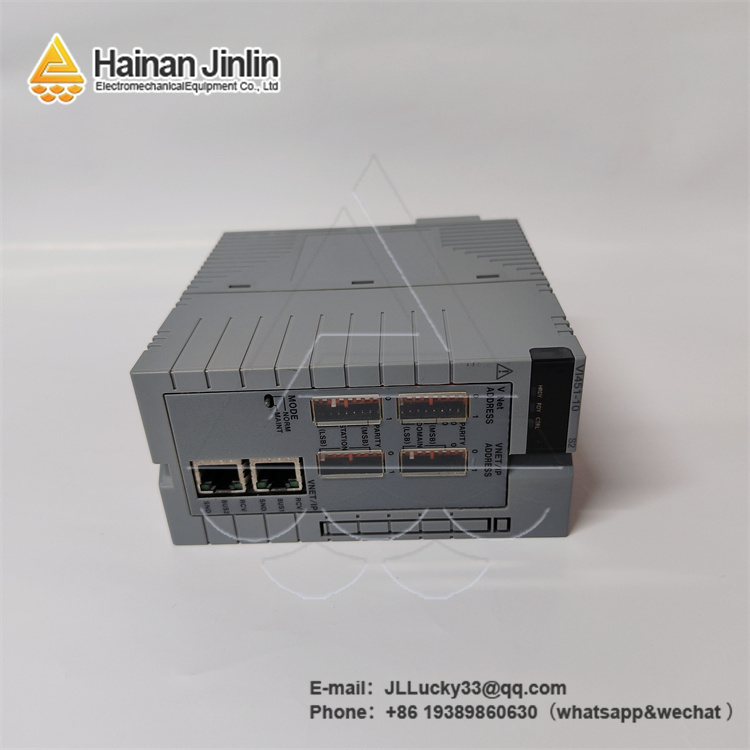
Applications: Chemical/Pharmaceutical/Food: Batch acquisition of two-wire transmitter signals such as pressure, flow, and temperature
Integration with DCS/SCADA: As a field Multi-channel acquisition front-end at the I/O layer
Key points for selection and use ✅
Clarify the number of channels and power supply/power budget (two-wire circuits have limited power).
Confirm isolation requirements: System-site isolation and channel isolation are typically not required.
Verify that the update cycle meets control/recording requirements (typically 1 second).
Evaluate the access method based on the master/backplane specifications (not the module's native protocol).
Pay attention to site conditions (temperature, protection) and installation space.